
Our Travel Adventures - Cruising Fulltime
Exploring World War II Sites in the Philippines
You may have noticed a slightly differently look to the website. I moved the website to a new server and updated much of the software used. A few other minor changes were made. Please let me know if things don't work as expected.
Travel Log for June 3rd to June 9th, 2026
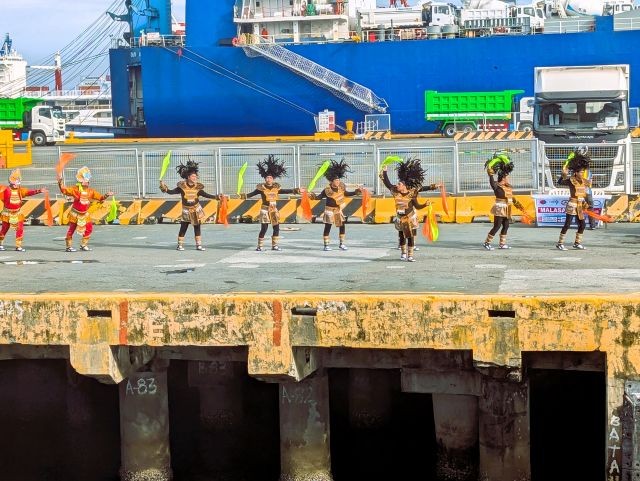
I was excited to visit Manila in the Philippines, and we arrived there on Sunday, June 7th. A shuttle bus took us from the port to a nearby park, though it felt a bit unnecessary since the ride was only about seven minutes. From there, I booked a Grab and shared the ride with a couple of other residents to the Mall of Asia (MOA).
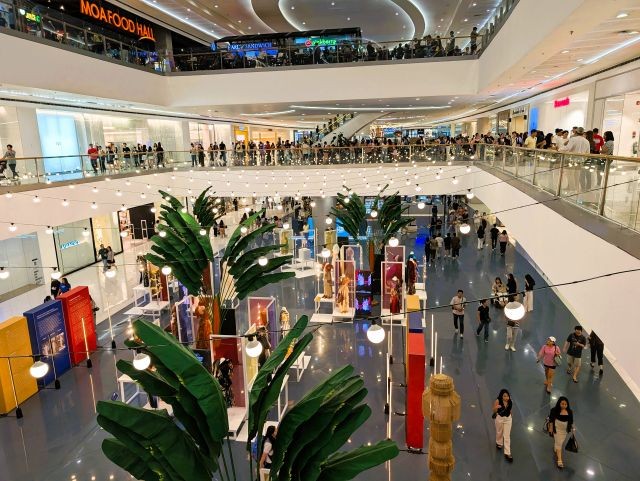
The MOA is one of the largest shopping malls in both the Philippines and the world, with over 600 shops. Not surprisingly, I managed to get lost several times while exploring. My main goal was to find a Decathlon sporting goods store, where I planned to buy a pair of snorkeling fins and a few other small items. Along the way, I got sidetracked and wandered into IKEA. While it was impressively large, it felt very similar to the ones in the United States—and I even had to ask for directions twice just to find the exit.
Eventually, I found the Decathlon store and picked up the fins I needed. As a bit of a tech enthusiast, I was especially intrigued by their self-serve checkout system. At the kiosk, I simply placed my items in a tray, and the system instantly read everything at once—no need to scan each product individually. Within seconds, all my items appeared on the screen with their prices and the total, making the checkout process incredibly quick and efficient.
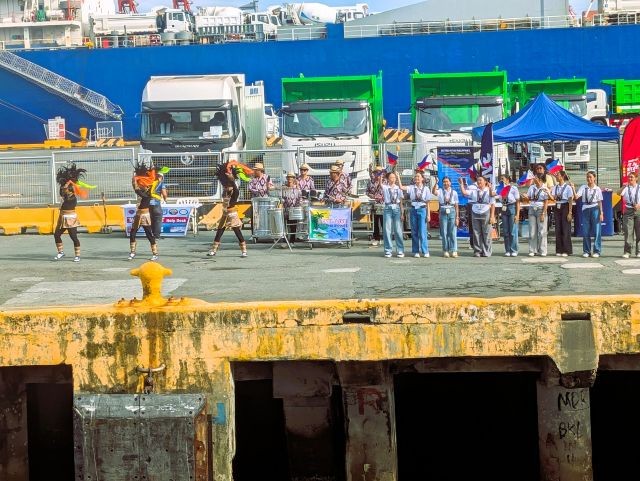
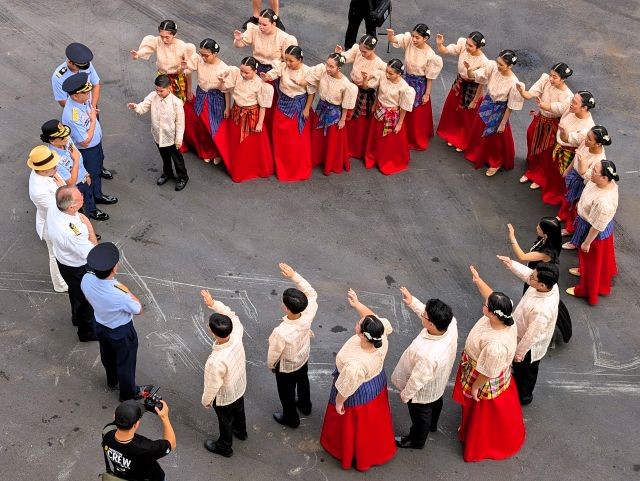
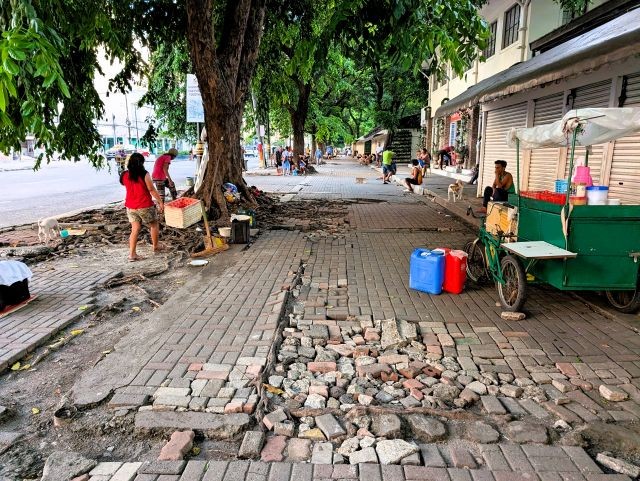
After a few hours at the mall, I booked another Grab to take me to what I thought was the shuttle pick-up point. Unfortunately, I was wrong—though not by much. I ended up walking about a mile through parts of the Manila slums, which was a bit unsettling since I was on my own. Eventually, I reached the area where I believed the shuttle was supposed to be, but nothing looked familiar, and I realized I hadn't marked the location on my phone.
After wandering around in circles for about half an hour, I suddenly heard someone call my name. A couple of fellow residents were sitting on a nearby curb waiting for the shuttle. There was a bus parked up the street, but they weren't convinced it was ours. I decided to check it out just to be sure—and I'm glad I did, because it was indeed our shuttle. Whew! I made it back to the ship safe and sound.
Bataan Death March
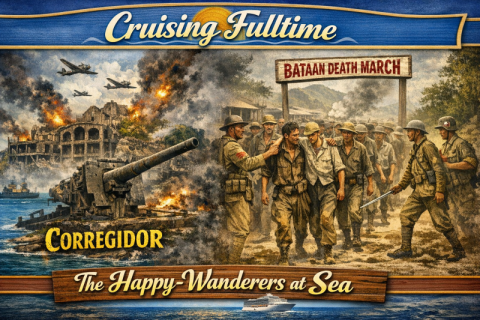
The next day, I stayed on the ship and worked on making more travel plans. Before this, I had been hoping to organize a group tour to Corregidor Island and explore sites related to the Bataan Death March. Unfortunately, tourism in the area has not fully recovered since the COVID pandemic in 2020, which made arranging the trip more difficult. Corregidor Island now only allows guided historical day tours rather than independent exploration. I was able to find just three possible tour companies. All three responded, but only one had availability—not because the others were full, but because they only offered larger group tours on weekends rather than small-group options.
I then posted in the Odyssey's WhatsApp group to see if anyone wanted to join me, since I needed at least one more person to make the tour feasible. The more people who joined, the lower the cost would be, but even with just two people, the price was already $600 total. That included a full-day experience with transportation, an English-speaking driver and guide, lunch, admission fees, and tours of both Bataan and Corregidor Island. I was a bit surprised that only one other person expressed interest, though it was enough to move forward. It seems that not many people on board share an interest in World War II history—or at least not at that price. I'll admit it was a bit expensive for me too, but I figured this might be my only chance to visit Manila and experience it firsthand.
Reid Kincaid, a retired Army physician's assistant, was eager to join me. Our tour driver was scheduled to pick us up at 4:30 a.m., but there was some confusion about whether we could simply walk off the ship to meet him. We were told this wasn't possible—we had to take the provided shuttle to exit the port area. However, the shuttle didn't run that early in the morning. To solve the issue, we decided to share a room at a nearby hotel so we could meet our driver on time. I had enough Expedia points to cover the stay, so it ended up being free—though even at full price, it would have cost only about $24 USD. The hotel was a comfortable three-star property. The Philippines had recently experienced a 7.8-magnitude earthquake about 700 miles from Manila, and throughout the night we both felt small tremors from the aftershocks.
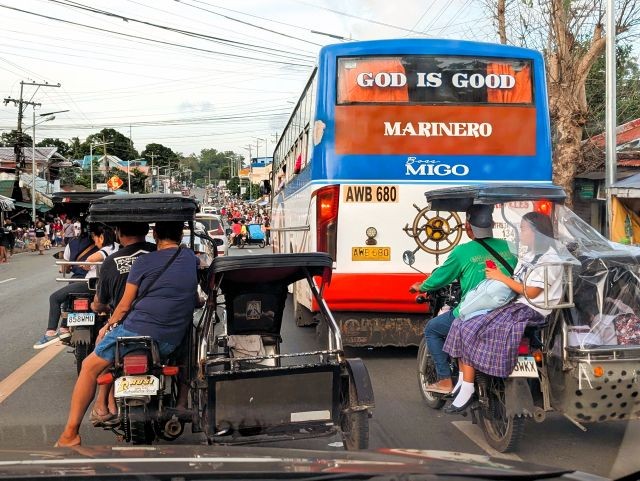
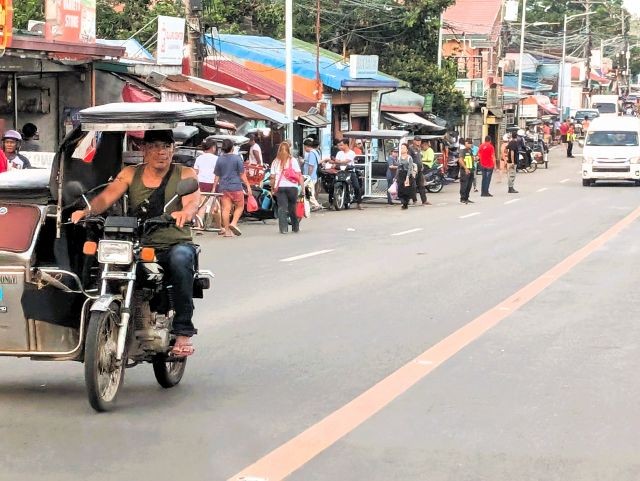
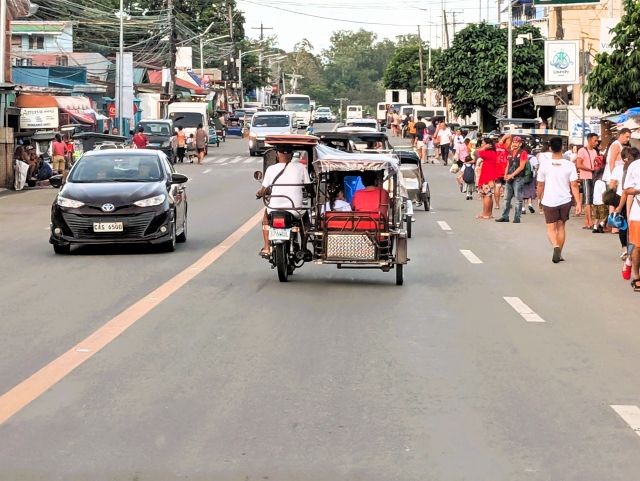
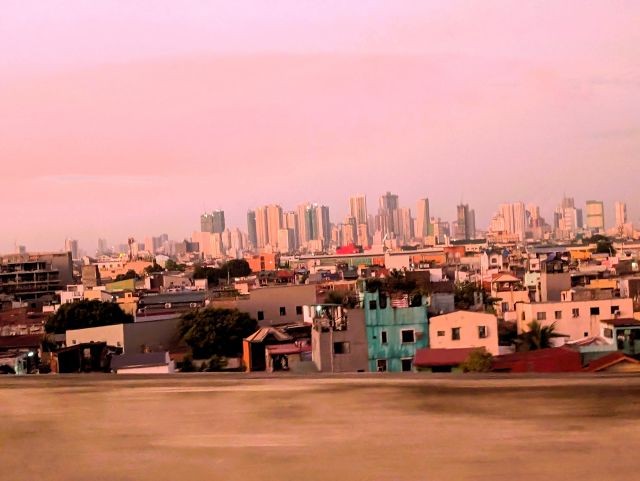
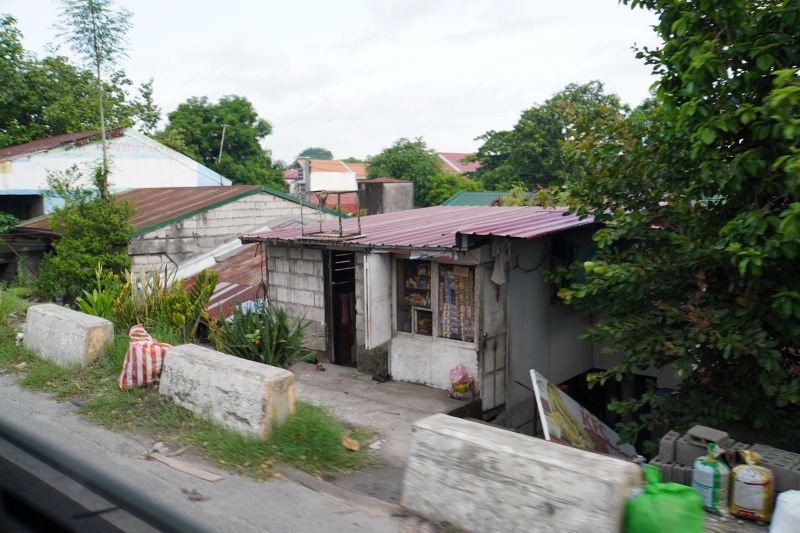
We woke up early, and Marianito ("Mar"), our tour guide and driver, was already waiting for us. It was about a 2½-hour drive from Manila to the province of Bataan. Along the way, it was fascinating to see different parts of the Philippines as we traveled on a variety of roads. We watched the sunrise over Manila, stopped briefly for breakfast, and eventually arrived in Bataan. During the drive, Mar shared insights about Filipino life, culture, and politics, as well as a detailed history of the country. This provided important context as we traveled through the same roads and areas where the Bataan Death March took place in April 1942.
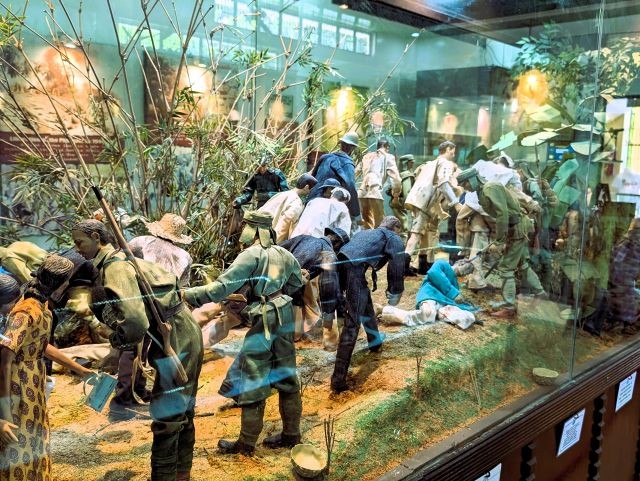
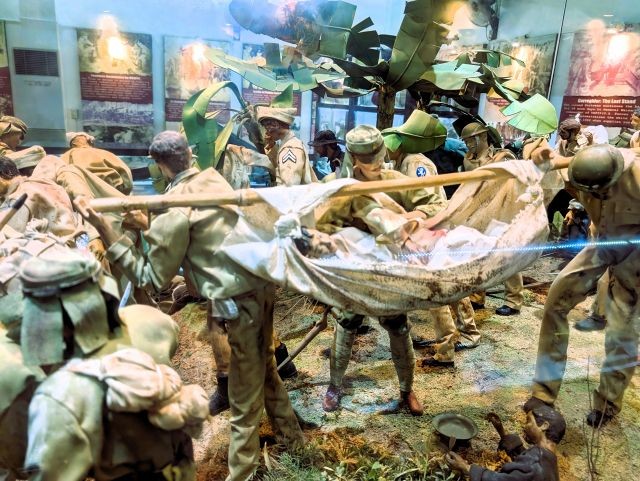
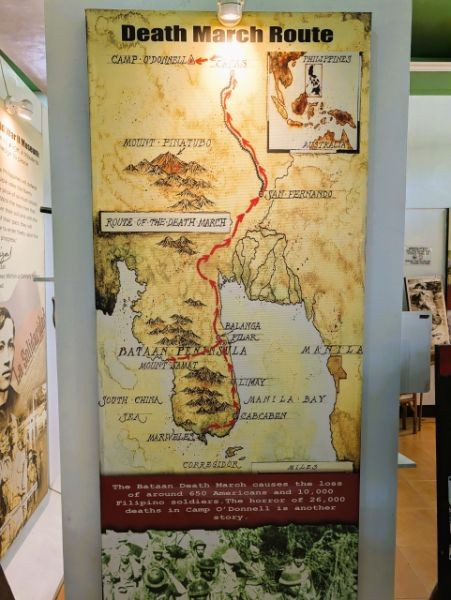
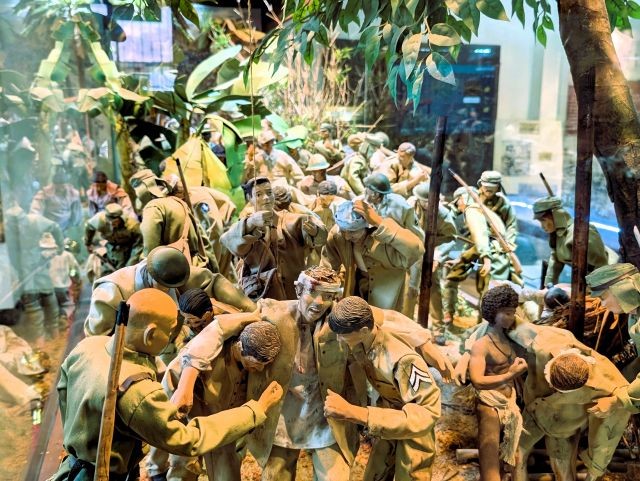
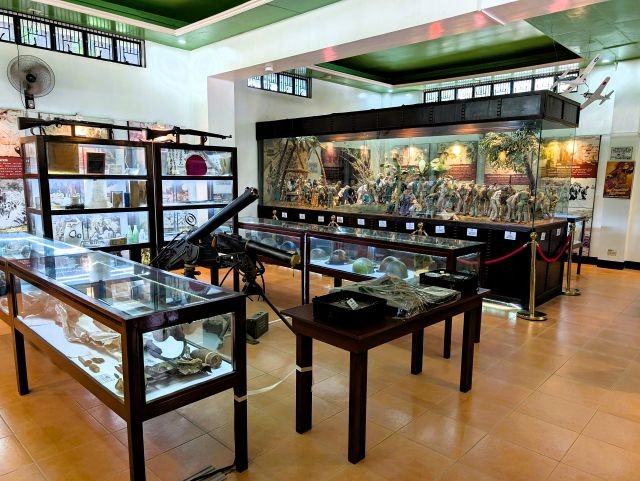
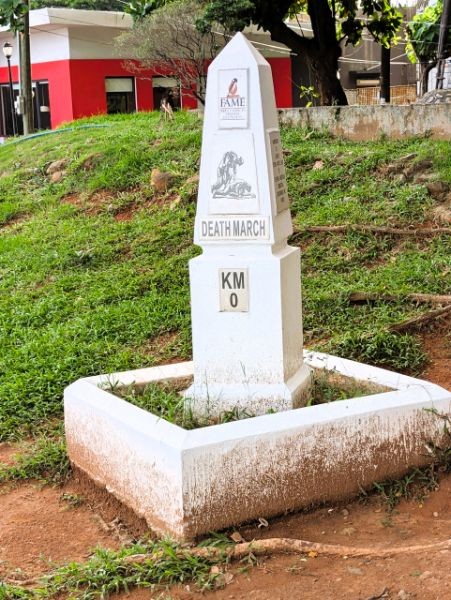
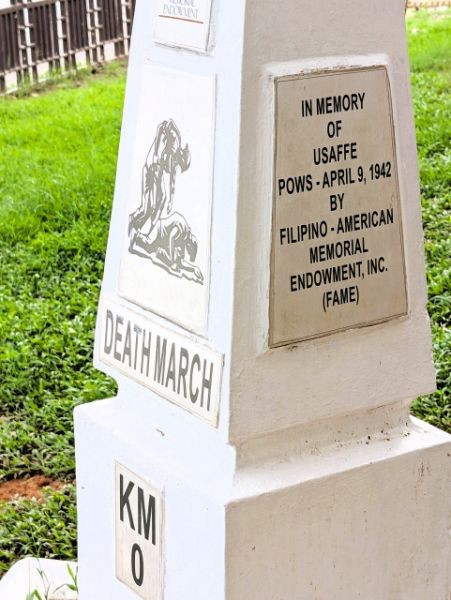
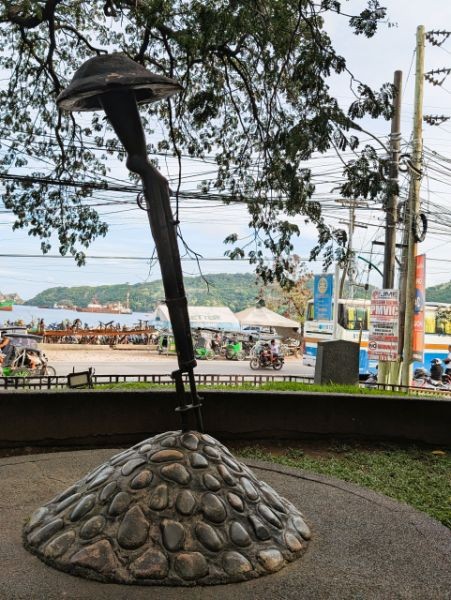
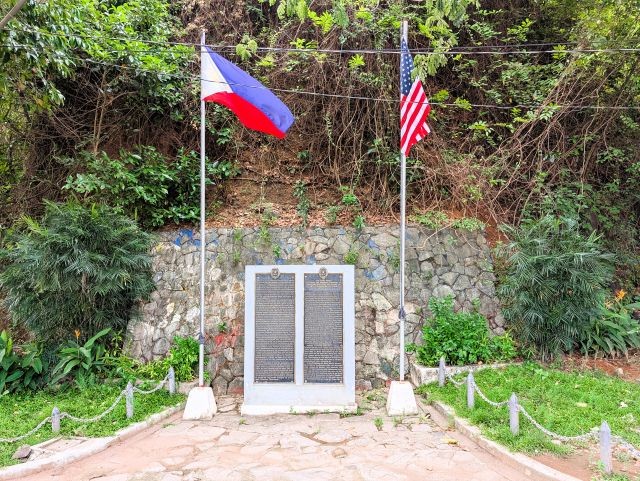
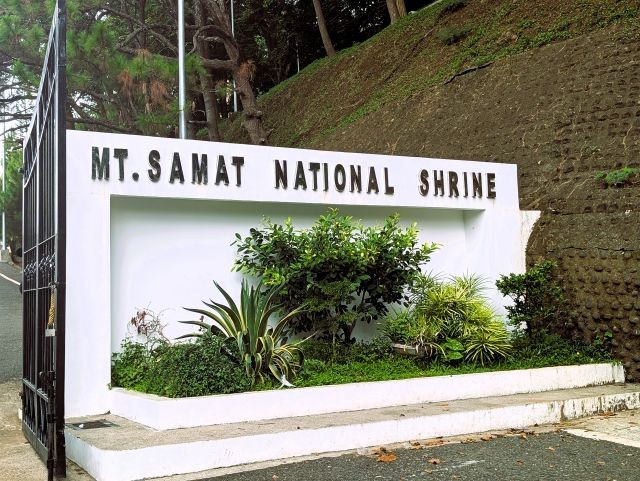
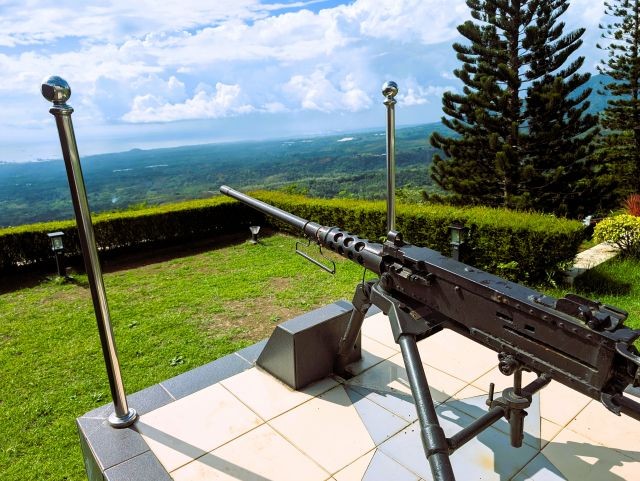
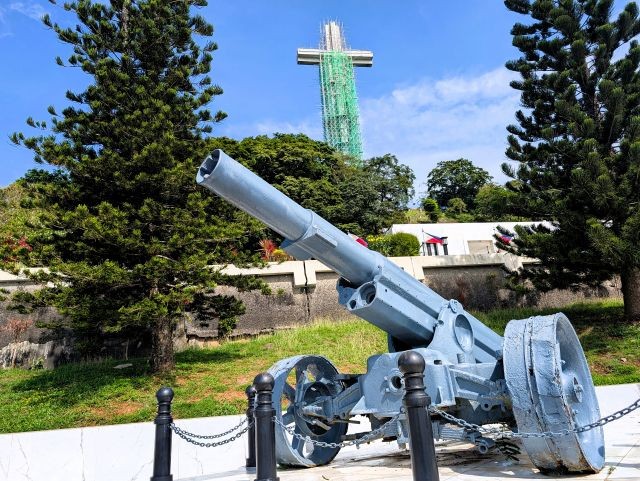
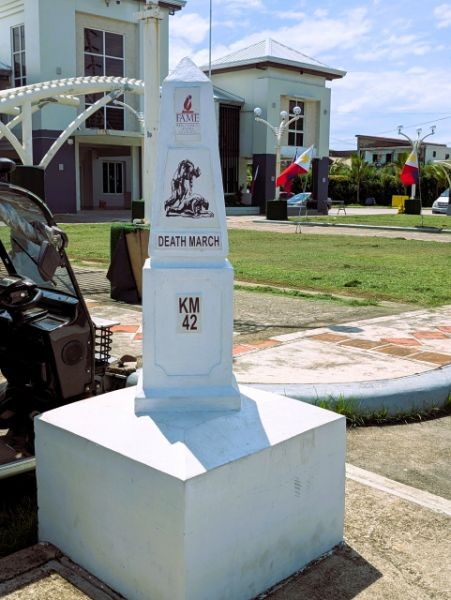
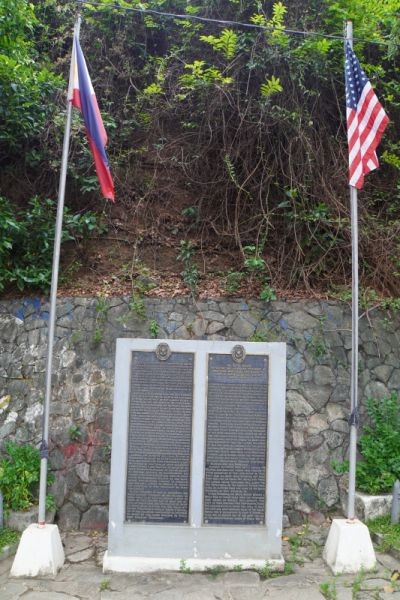
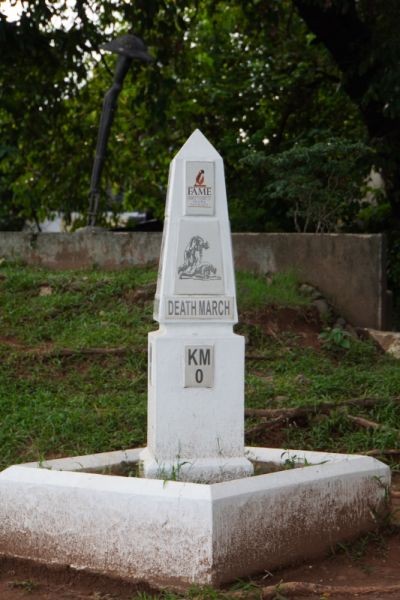
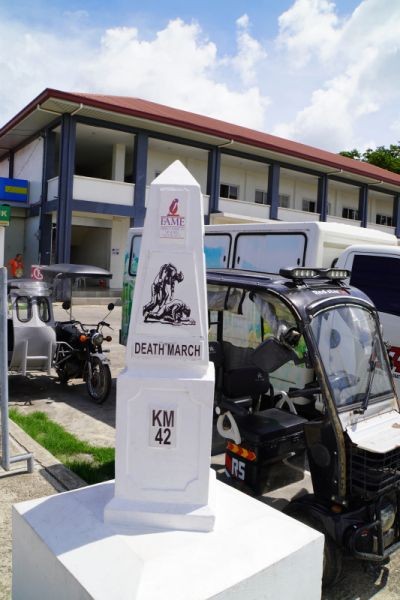
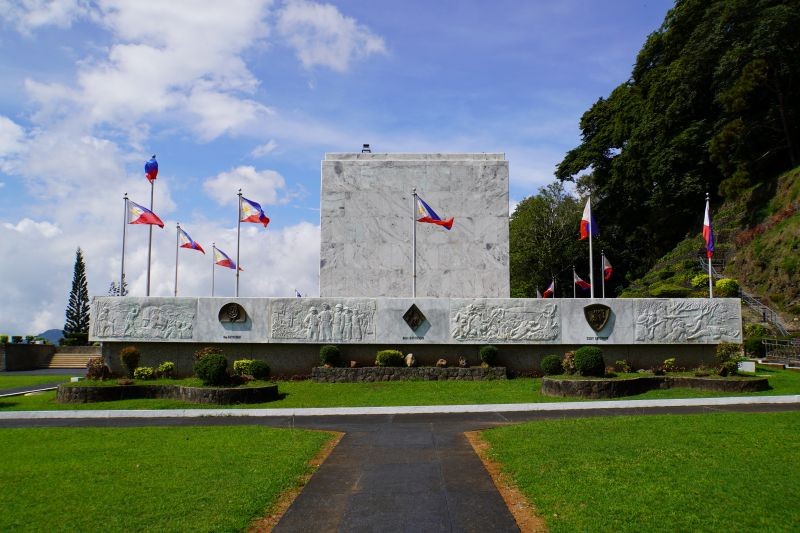
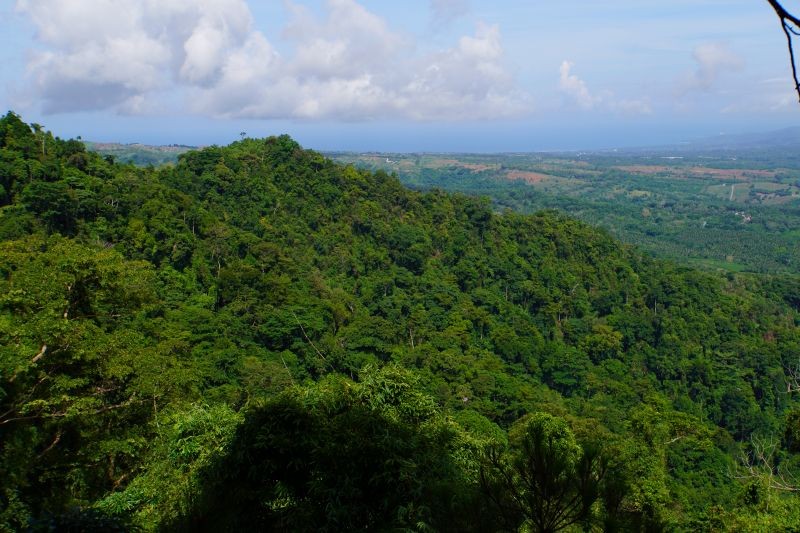
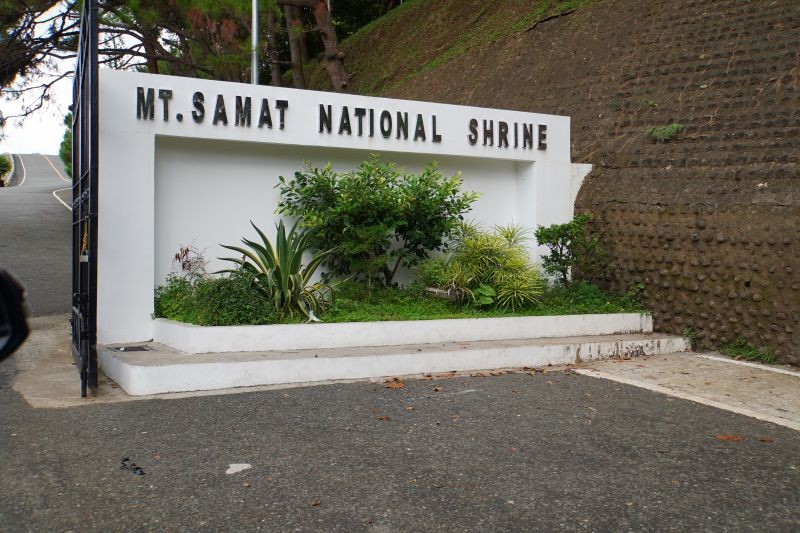
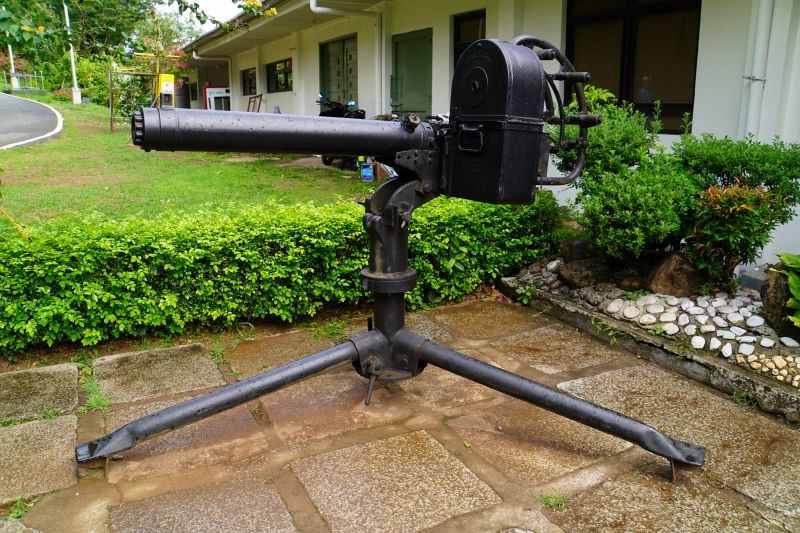
We visited several kilometer markers that trace the route of the Death March, as well as Mount Samat National Shrine, the site of major battles where American and Filipino forces fought before ultimately being defeated by the Japanese. About 67,000 Filipino soldiers and 12,000 American soldiers were taken prisoner. Of the roughly 75,000 men forced to march, only about 54,000 reached the prison camp alive—thousands died during the 102-kilometer journey from starvation, disease, and brutality.
During World War II, Japanese culture and military beliefs emphasized that it was more honorable to die than to surrender. This mindset helps explain actions such as banzai charges and kamikaze missions, as well as the harsh treatment of prisoners. Those who surrendered were seen as having failed morally and were often treated as unworthy of respect or dignity. Some guards even viewed POWs as less than human, which made cruelty easier to justify. Although Japan had signed the Geneva Convention on the treatment of POWs, it never ratified it and was therefore not legally bound to follow its rules.
Because Japanese forces saw little value in prisoners, they were unwilling to use resources to transport or care for them. Instead, POWs were forced to march the entire distance from the Bataan Peninsula to San Fernando. Along the way, they were given little to no food or water. Local Filipino civilians sometimes risked their lives to secretly provide food and water or help prisoners escape, but if caught, both the prisoners and the civilians were often executed. Visiting these sites and learning the details gave me a much deeper understanding of the immense suffering endured not only by the soldiers, but also by the Filipino people.
Corregidor Island
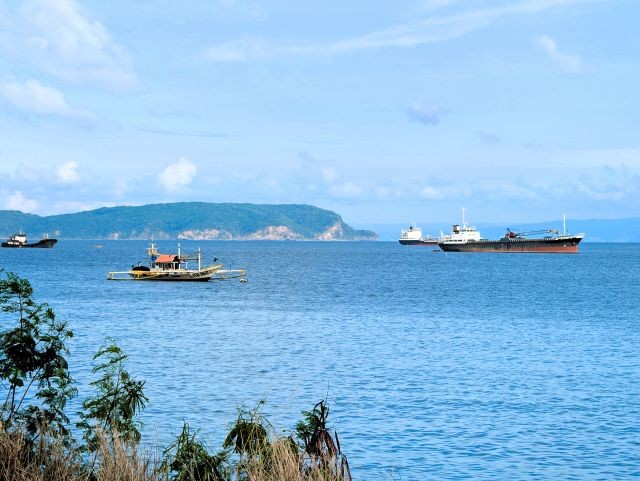
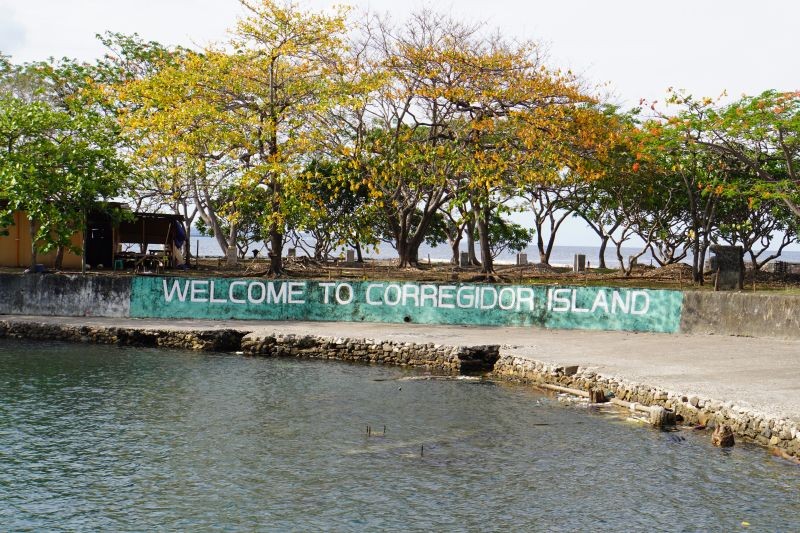
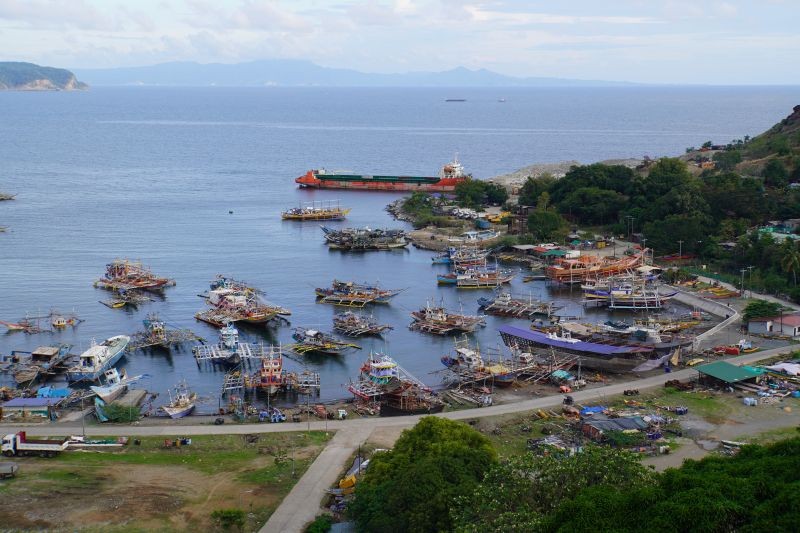
After several hours exploring sites along the Death March route, we stopped for lunch at the offices of Guia Del Mar Tours. From there, we headed to the nearby coast and boarded a bangka for the short trip across Manila Bay to Corregidor Island.
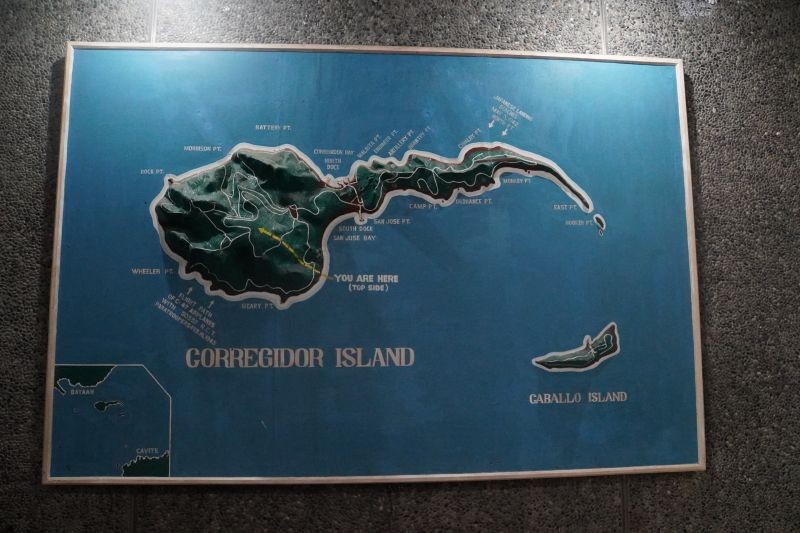
During World War II, Corregidor was the location of Fort Mills. After the fall of Bataan in April 1942, it became the last Allied stronghold in the Philippines. The Battle of Corregidor in May 1942 ended with its surrender to Japanese forces. The island was later recaptured by U.S. troops in 1945, helping reopen Manila Bay. When General MacArthur famously declared, "I shall return," he was referring to his promise to come back and retake Corregidor from the Japanese.
Reid and I ended up with a private tour—we were the only visitors as we boarded a small tram to explore the island. We stopped at several sites along the way, including the location of a mass grave where about 6,600 Japanese soldiers had been buried. The site had originally been unmarked and was eventually reclaimed by the jungle. Years later, it was rediscovered by matching old photographs with the surrounding mountain outlines. The Japanese government later recovered the remains and returned them to Japan, and today the area serves as a memorial to the soldiers who lost their lives there.
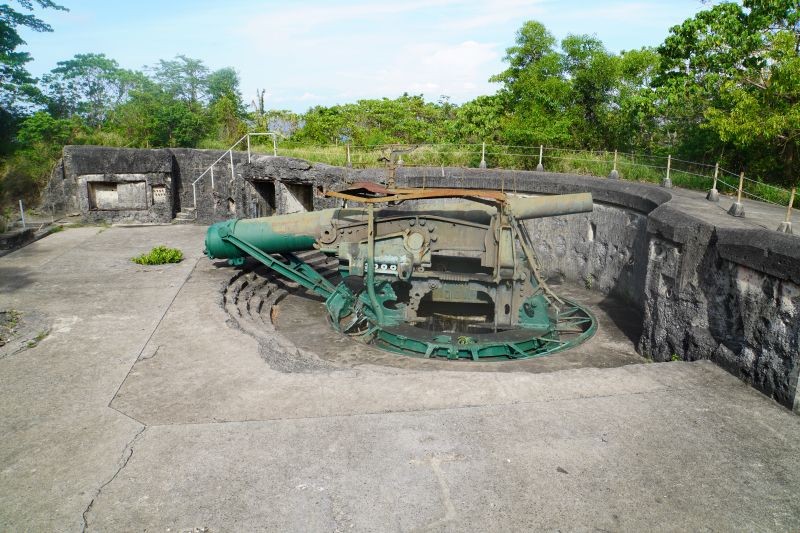
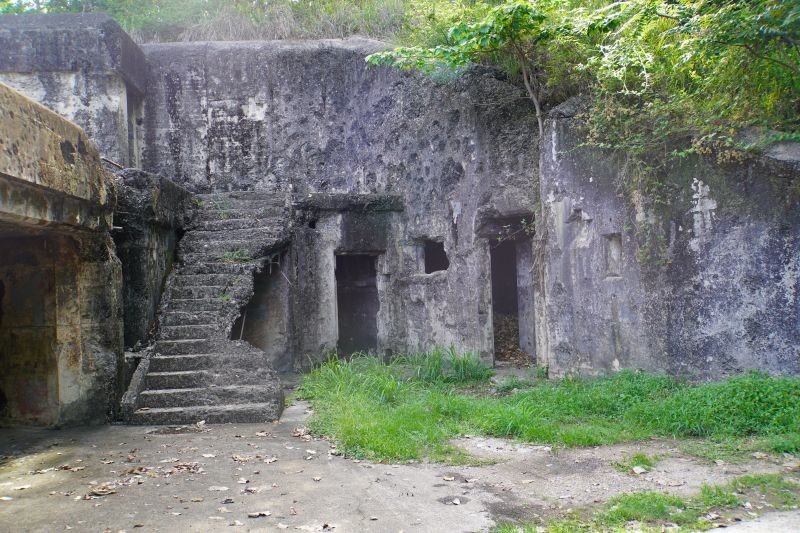
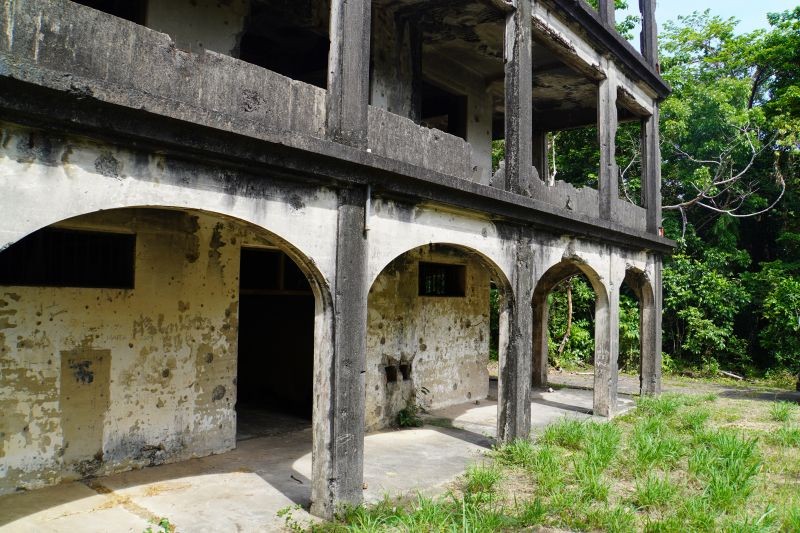
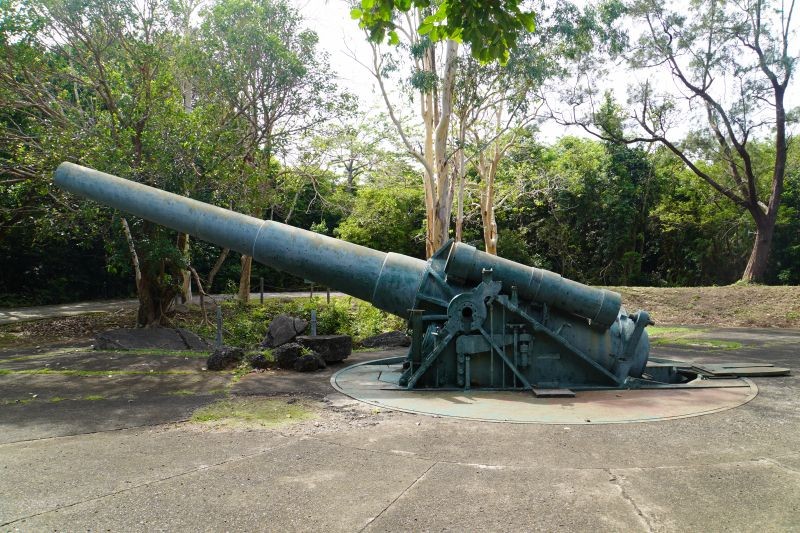
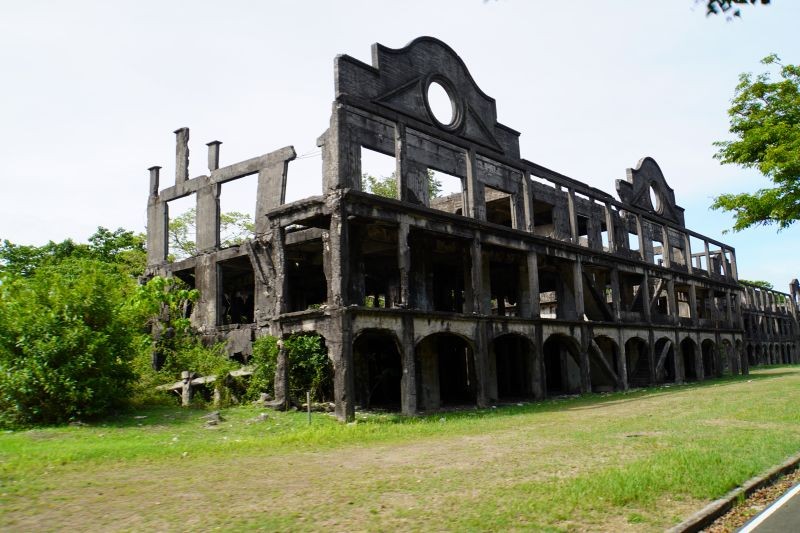
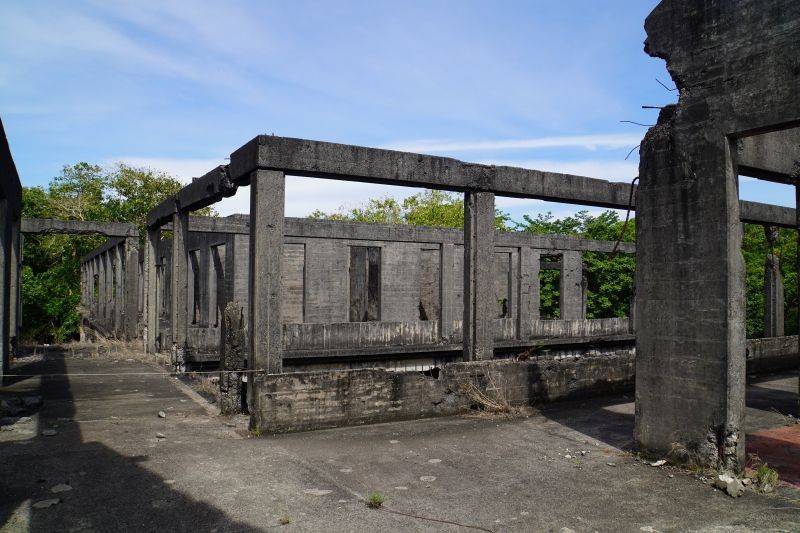
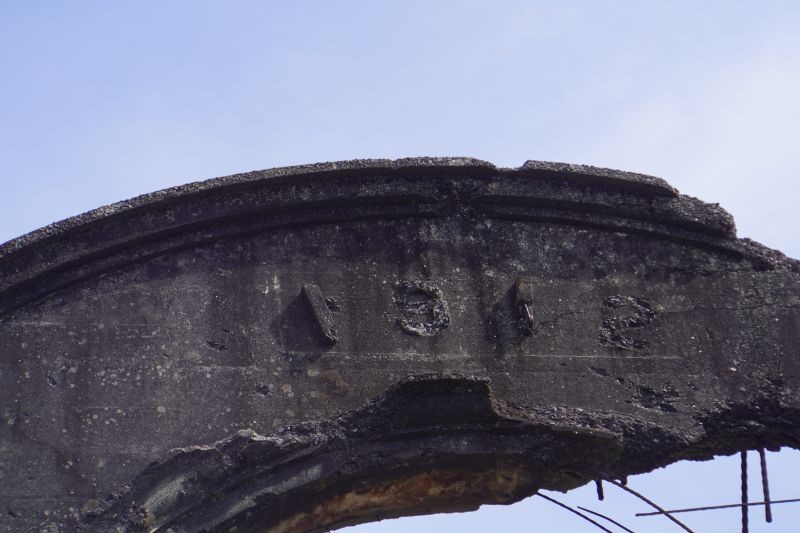
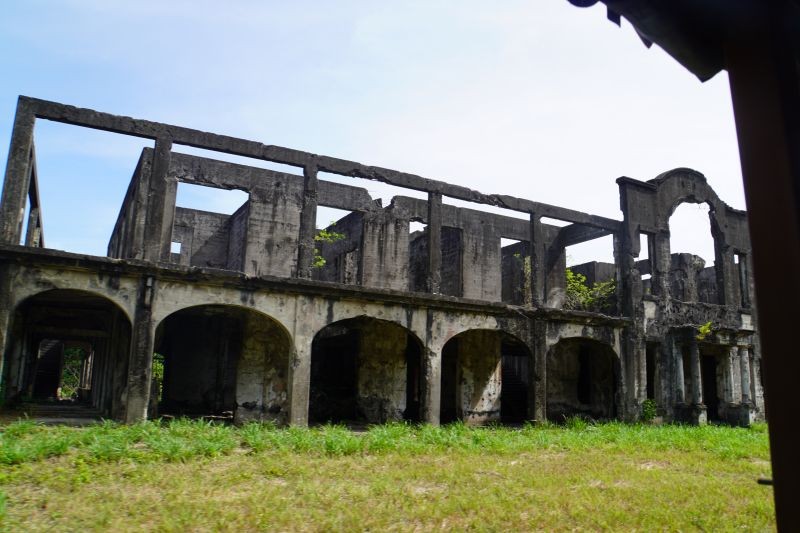
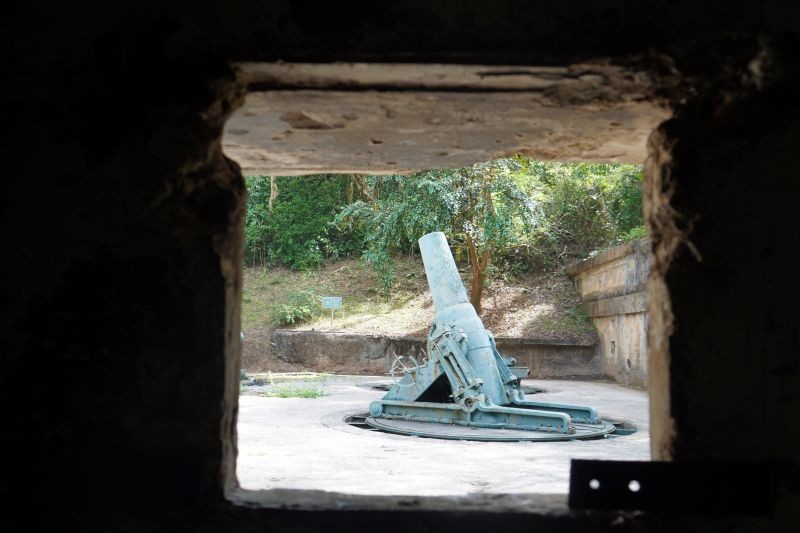
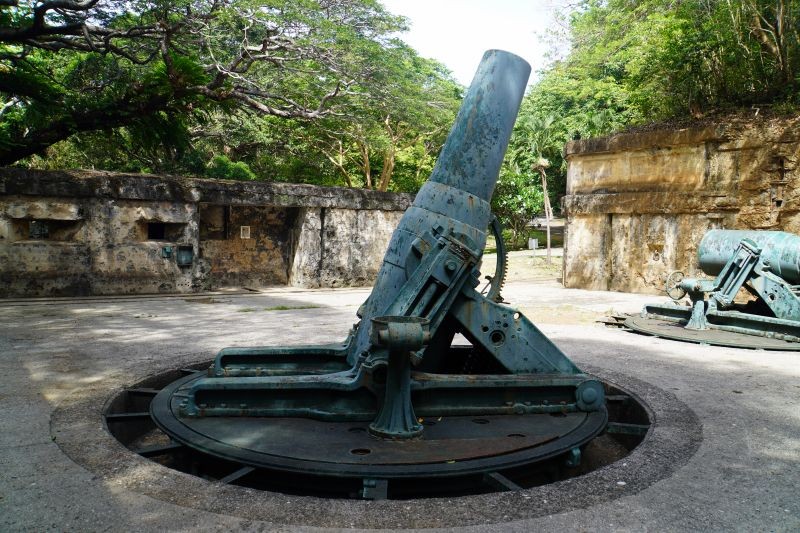
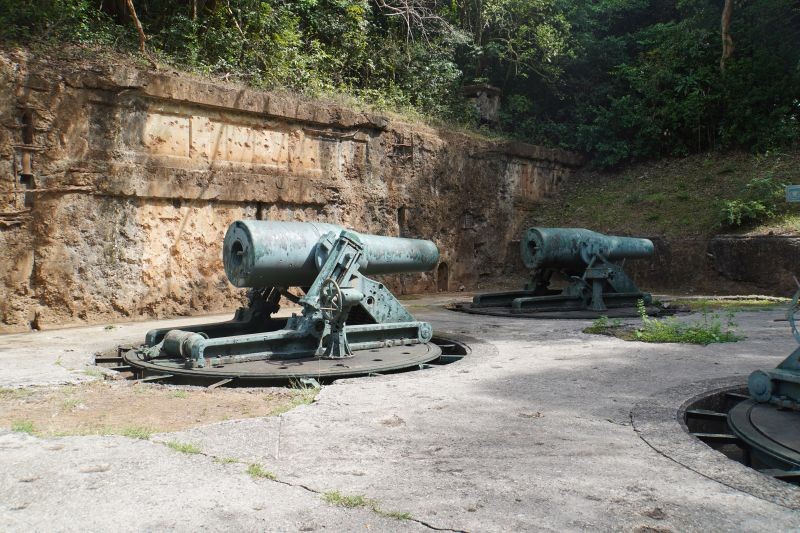
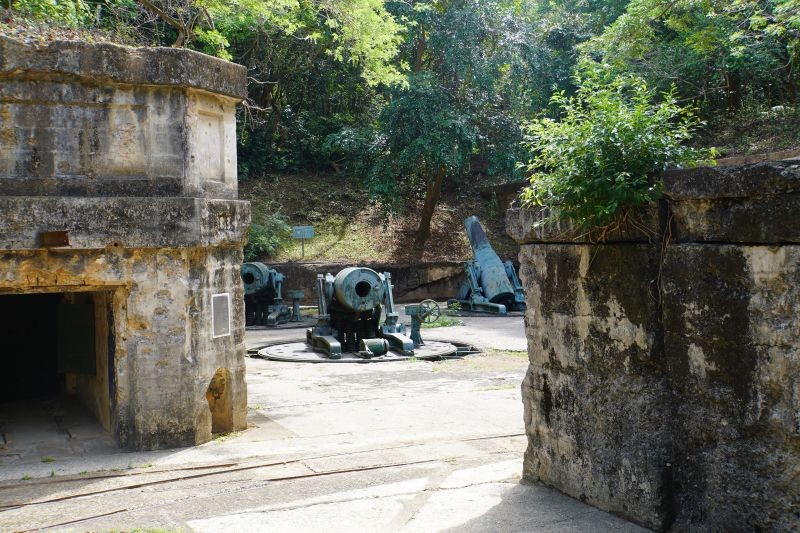
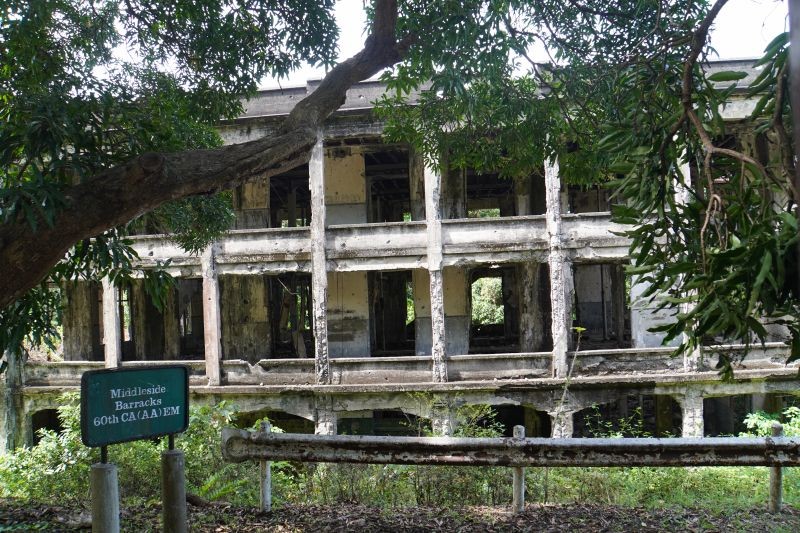
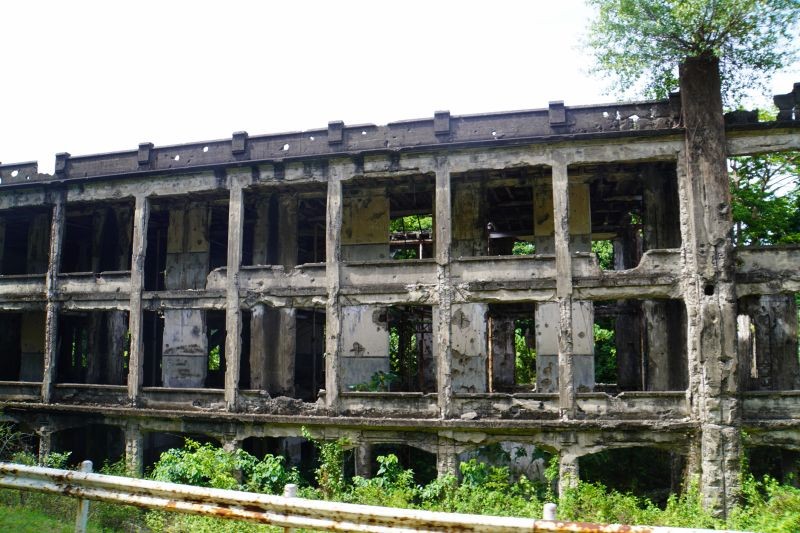
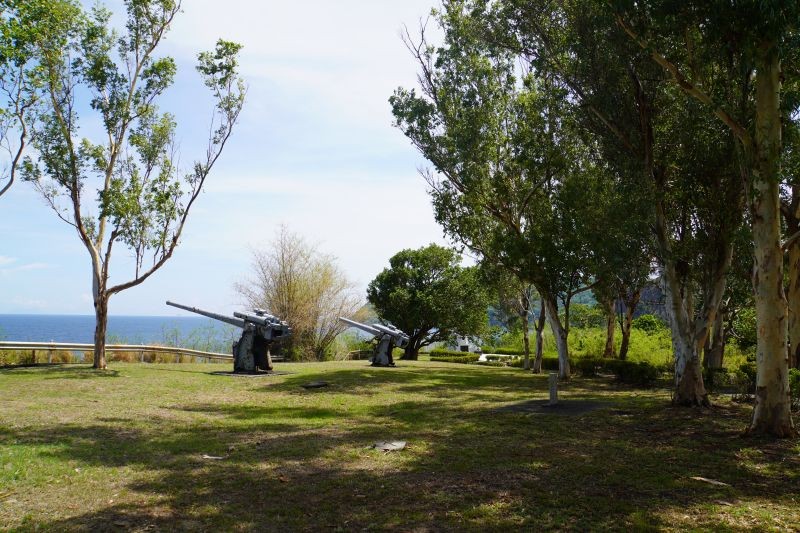
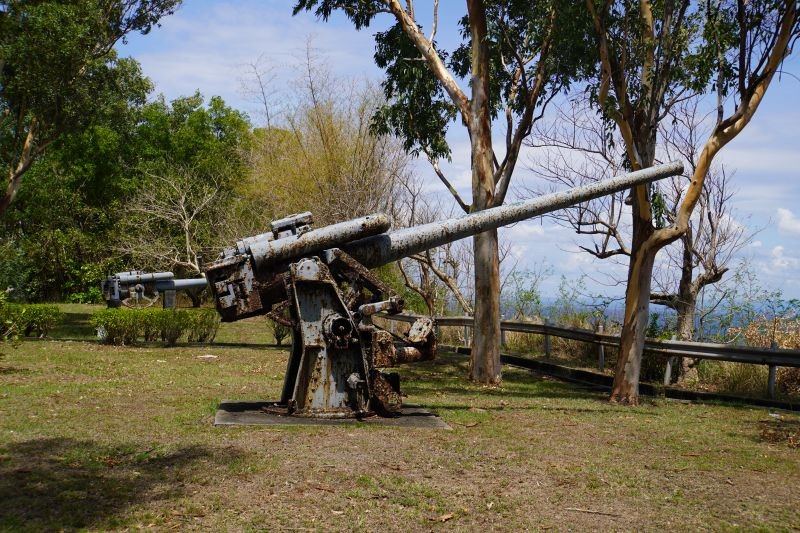
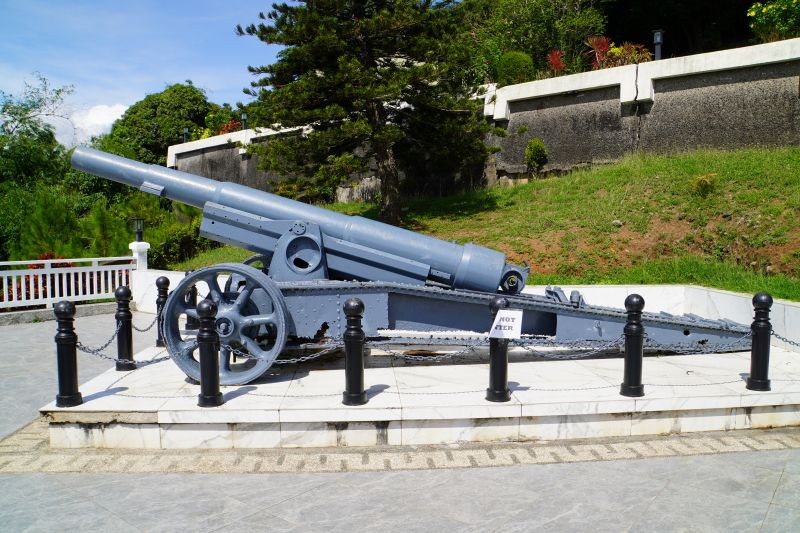
We also visited several artillery batteries and passed by the skeletal remains of buildings scattered across the island. Before surrendering, Filipino and American forces destroyed much of their equipment, weapons, and structures to prevent them from falling into Japanese hands. Combined with the heavy bombardment first by Japanese forces and later by American forces during the recapture, very little of the island was left intact.
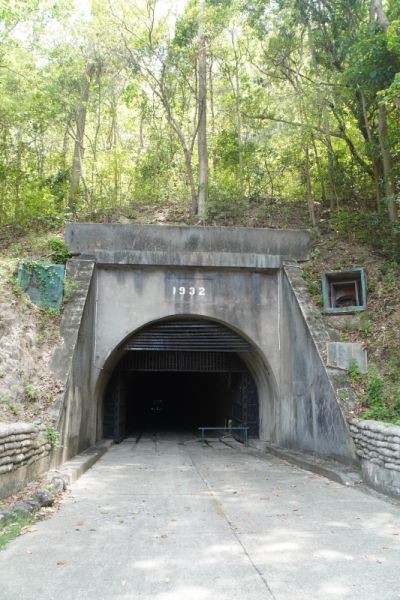
One of the highlights of the tour was visiting the Malinta Tunnel. This massive underground tunnel complex, built by the U.S. Army between 1922 and 1932, stretches about 831 feet (253 meters) long. During the war, it served as a bomb-proof headquarters, hospital, and shelter, and was one of the most important locations during the final battles for the Philippines.
Before the pandemic, Corregidor was a much more active tourist destination. Regular ferries ran from Manila, and the island attracted about 120 visitors a day. It had electricity, a hotel, swimming pool, restaurant, and small shops, along with a light-and-sound show inside the Malinta Tunnel. Today, there is no regular ferry service, no electricity, and all of those facilities are closed. Without lighting, the tunnel is now dark and difficult to navigate, even with flashlights. There is no sound and light show. Hopefully, tourism will one day return, and the island can be preserved for future generations to experience.
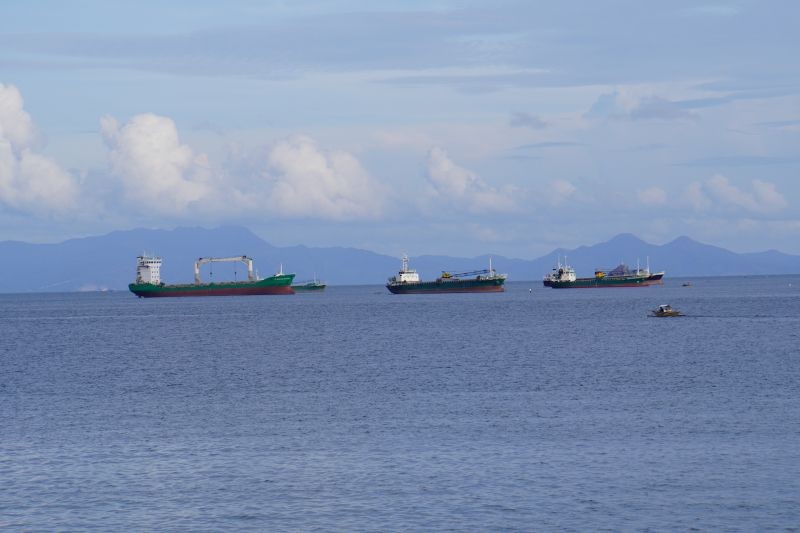
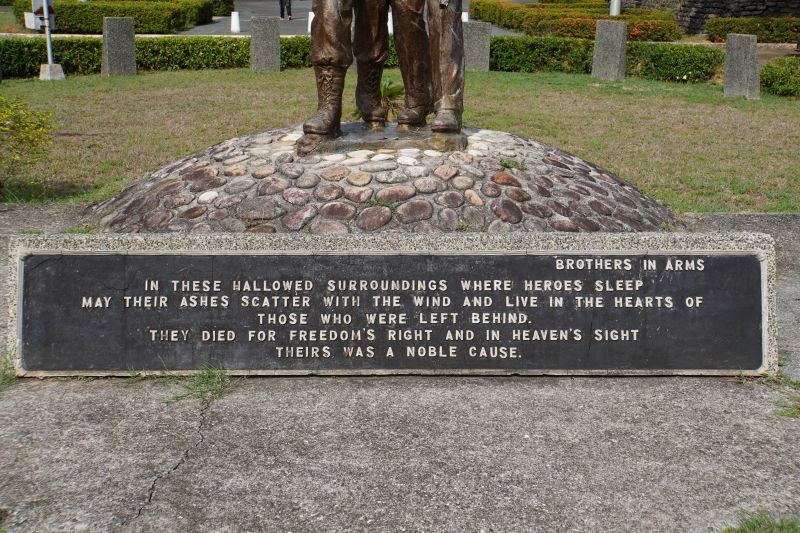
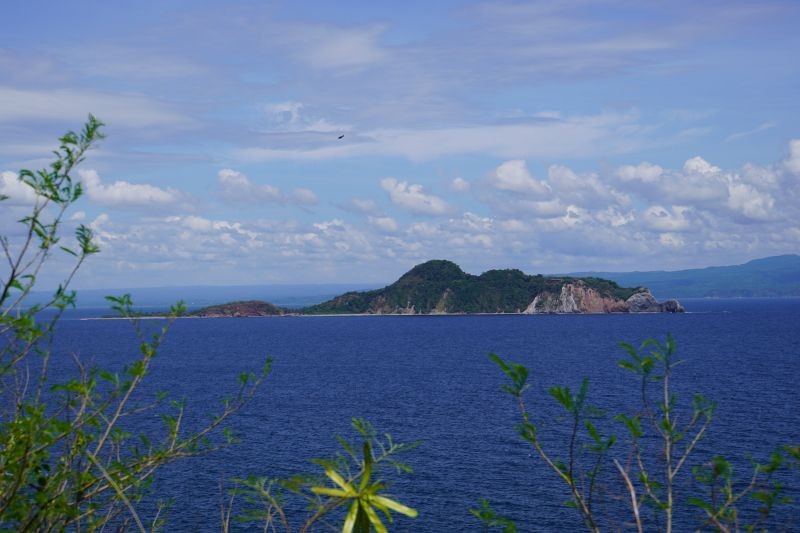
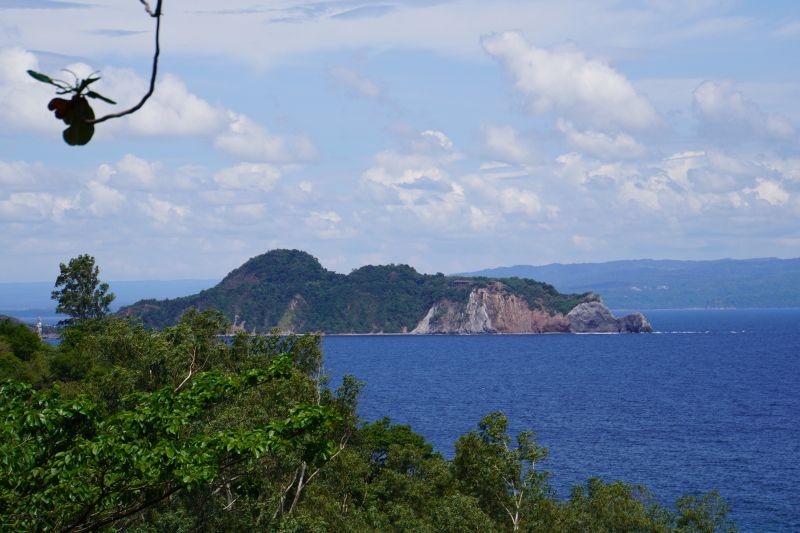
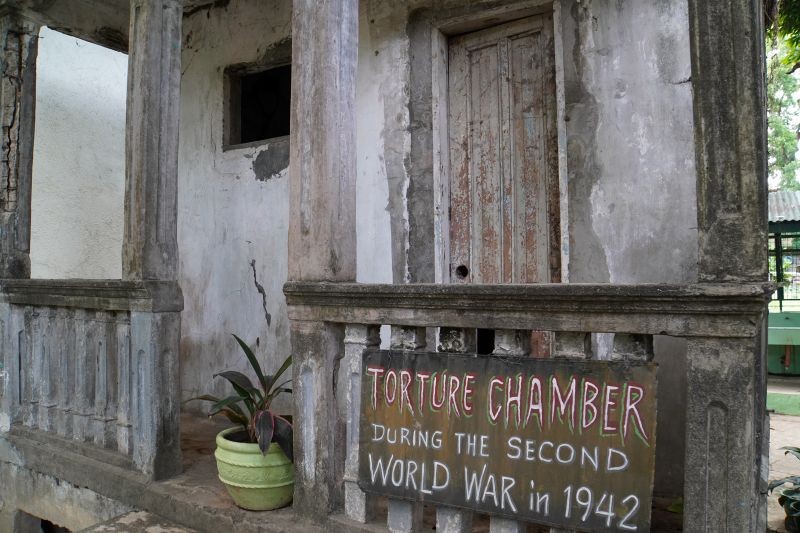
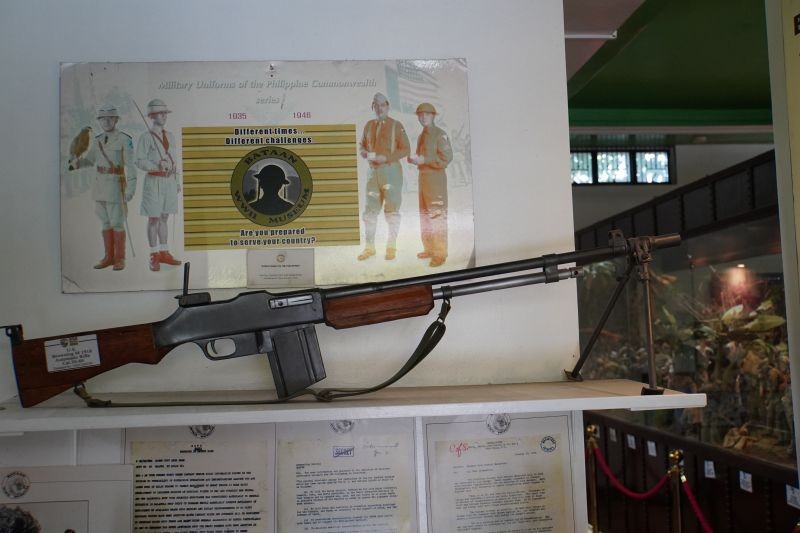
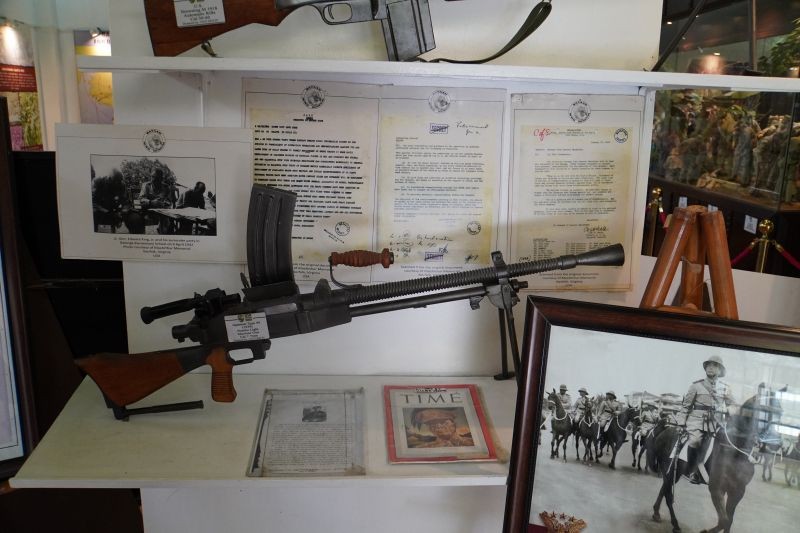
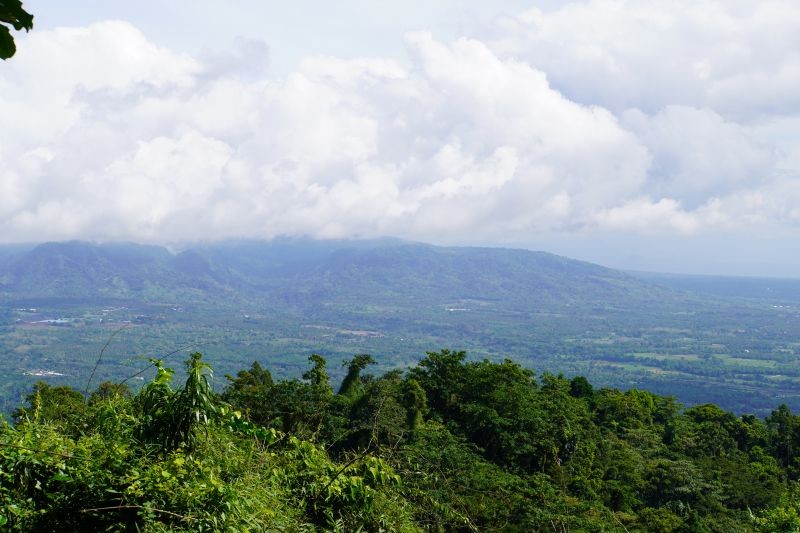
I took several hours of video, during the Corregidor Island tour, but it didn't come out very well. The photos below are courtesy of Ried Kincaid.
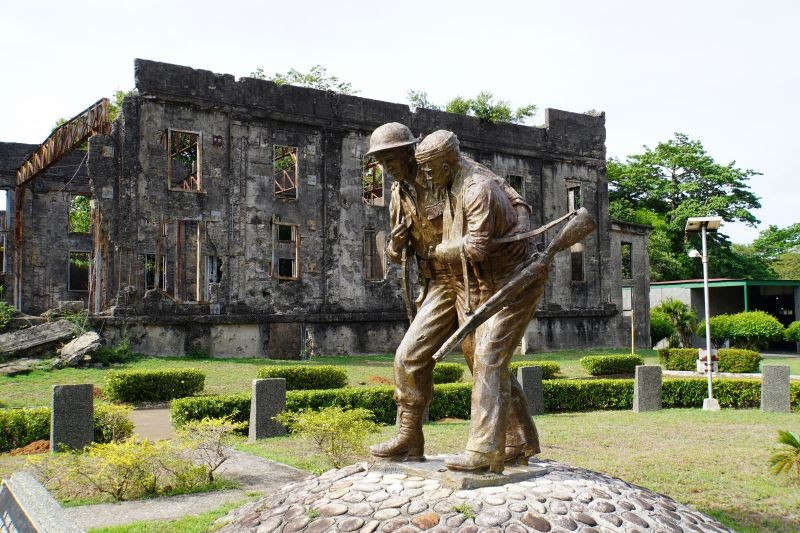
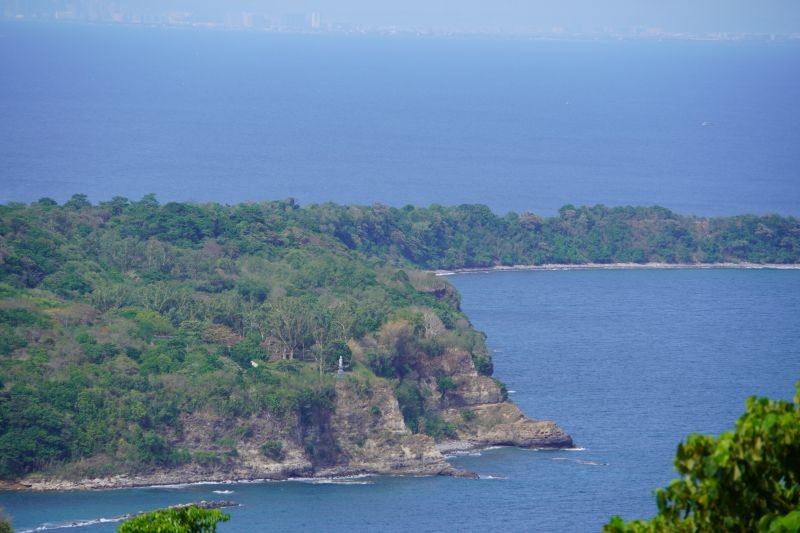
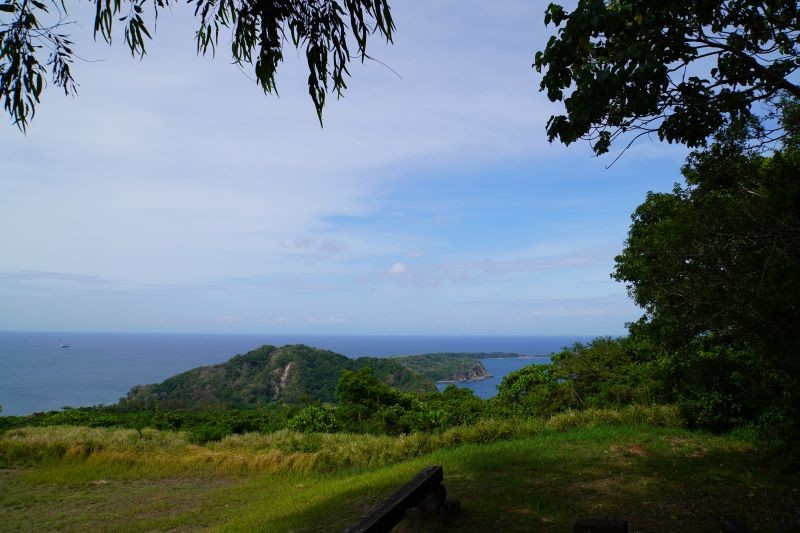
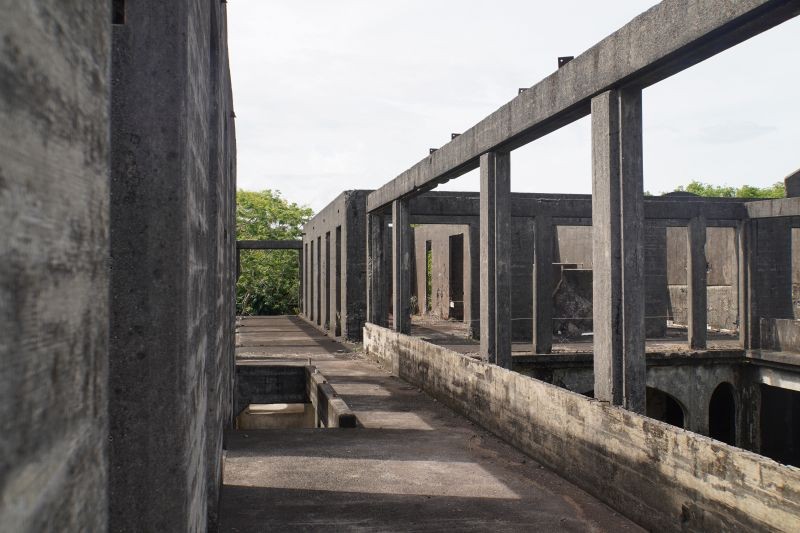
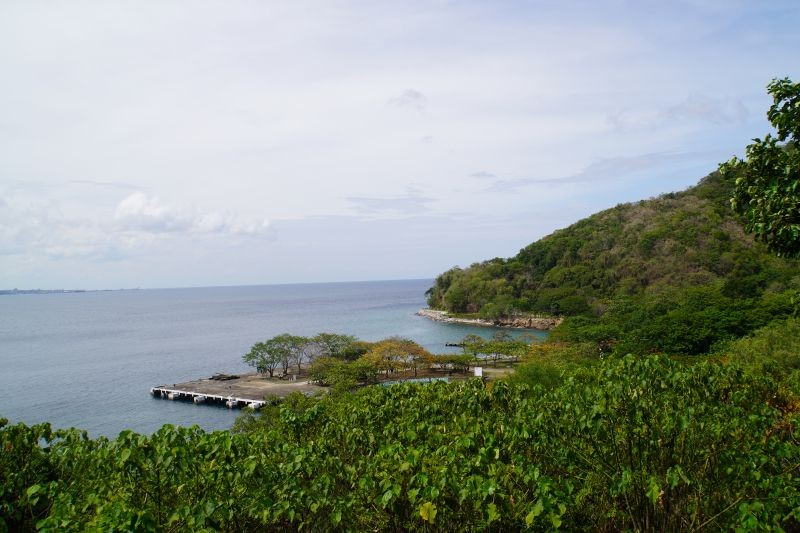
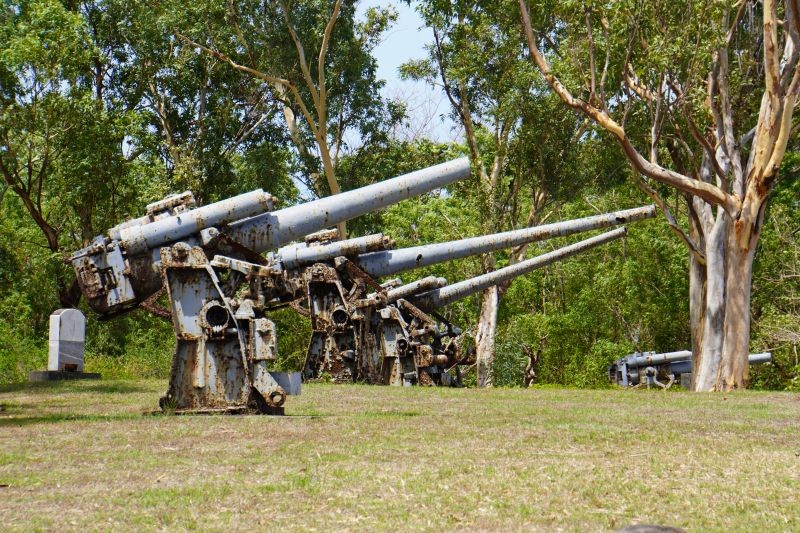
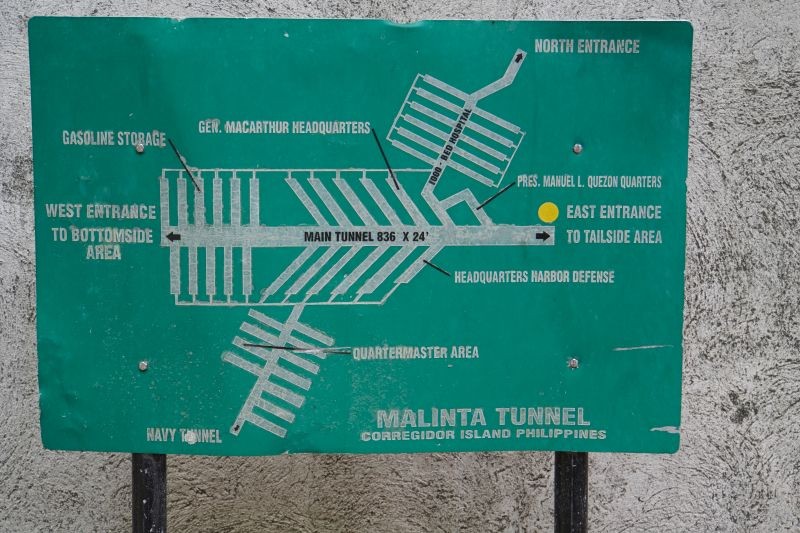
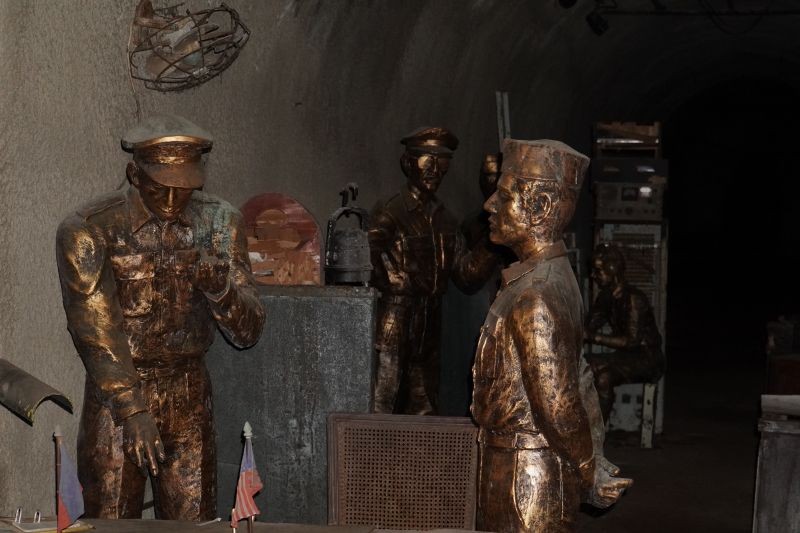
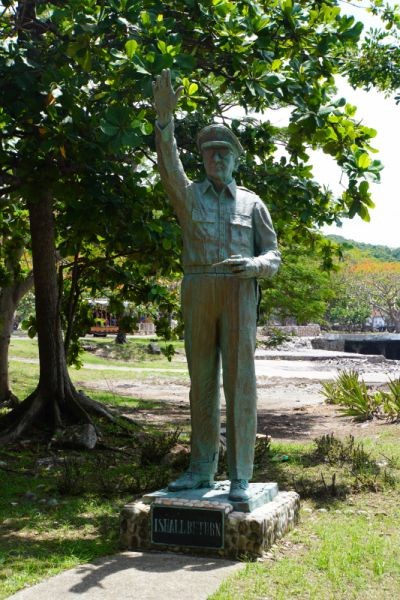
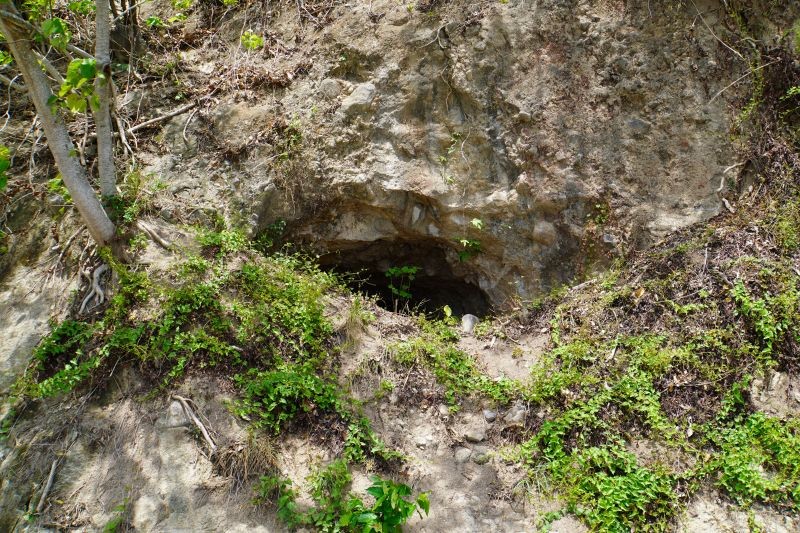
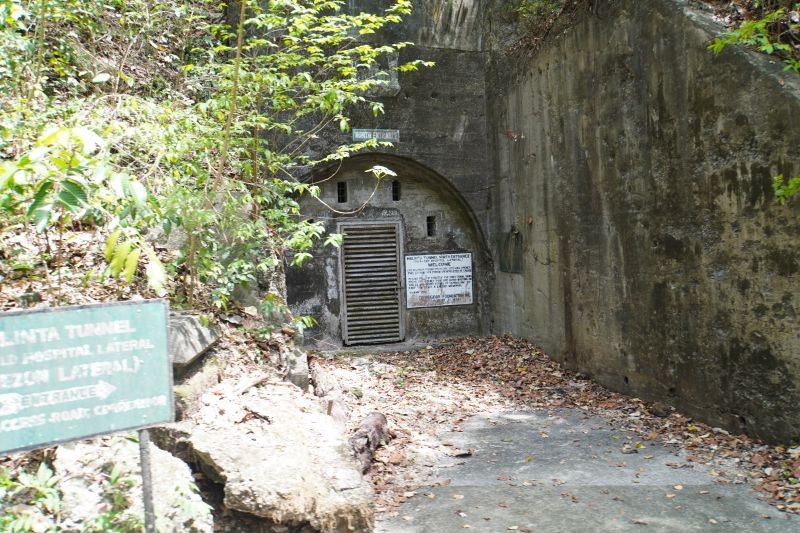
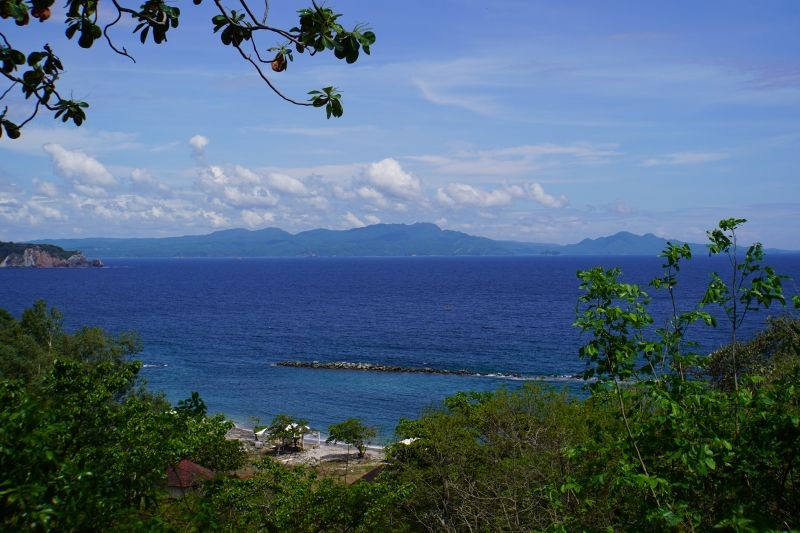
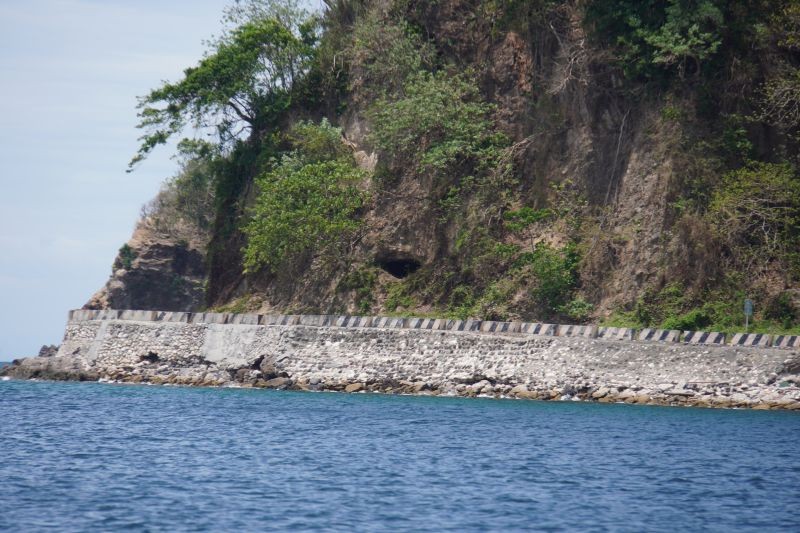
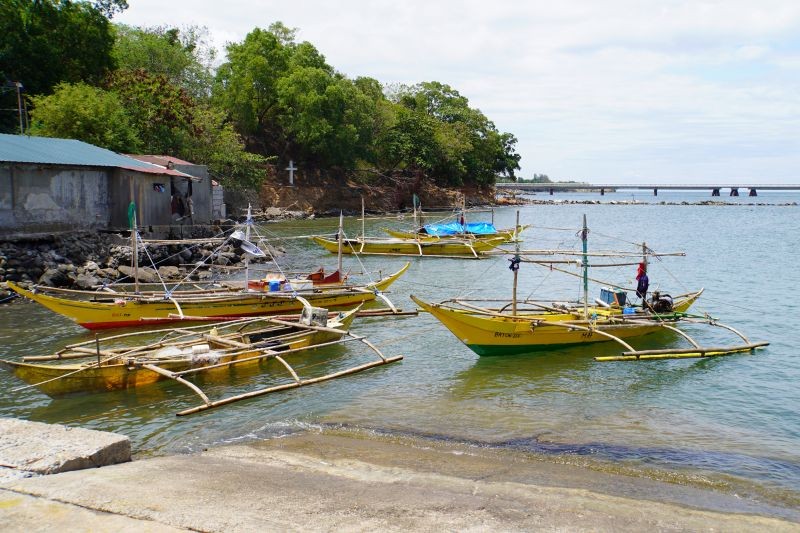
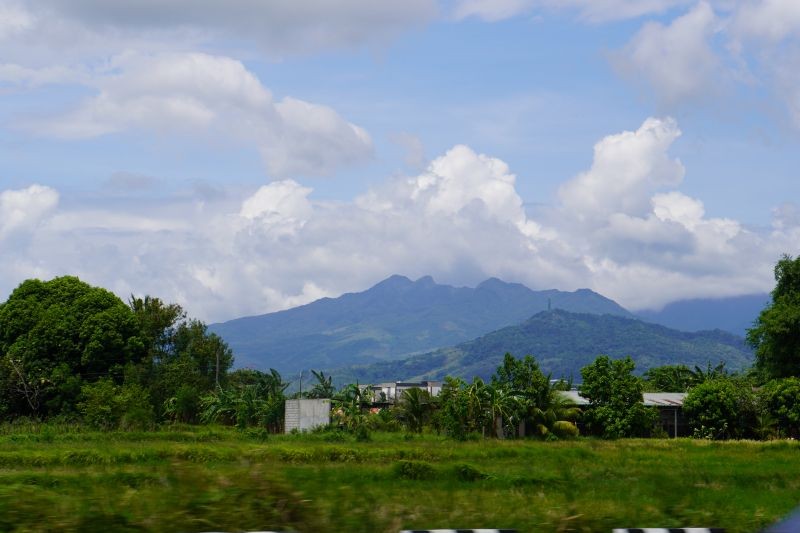
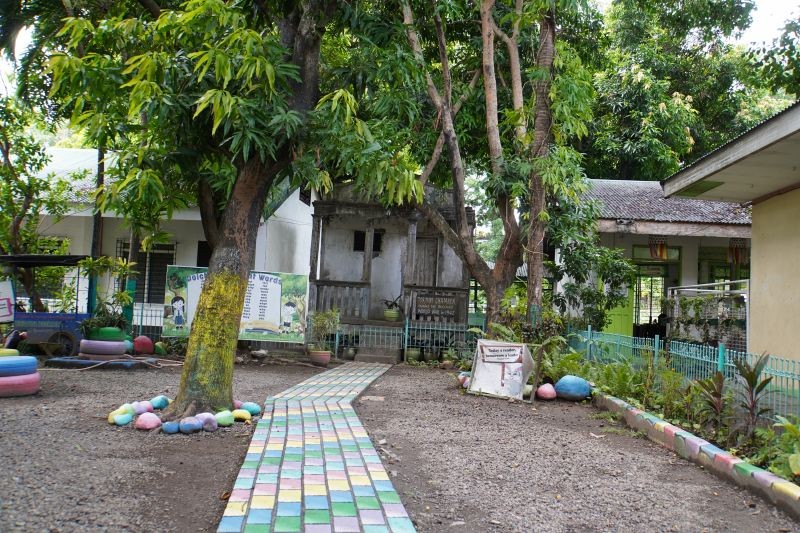
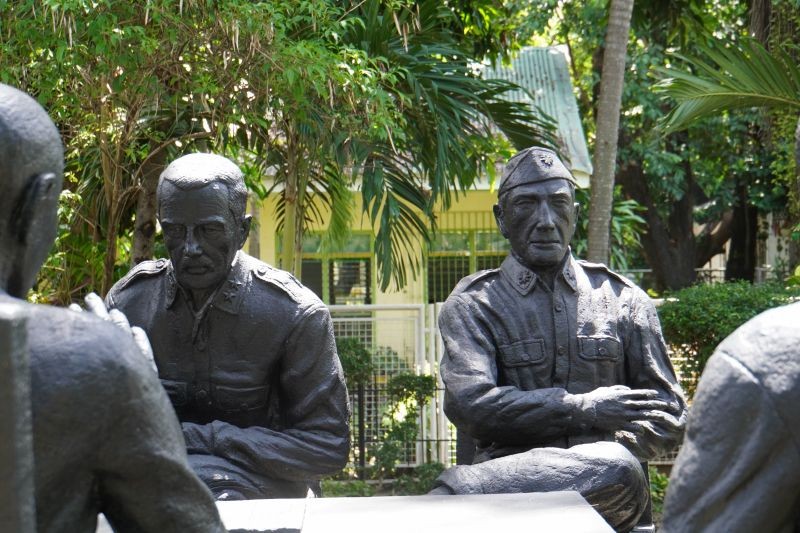
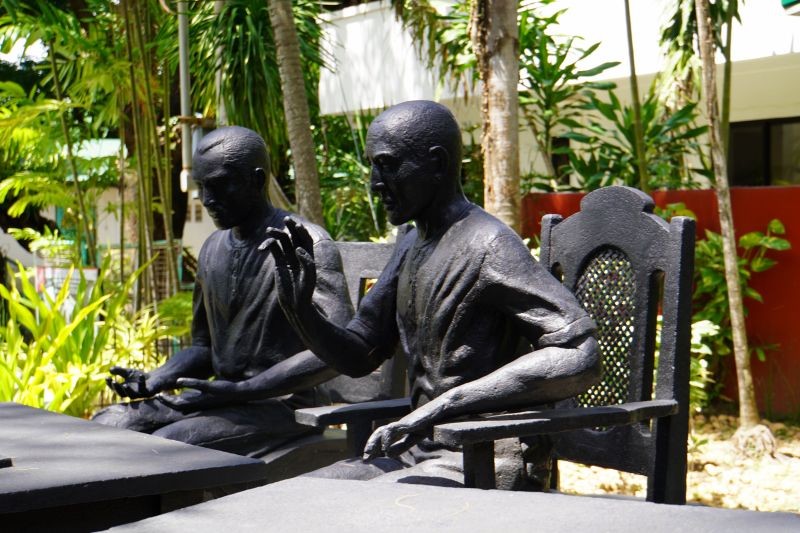
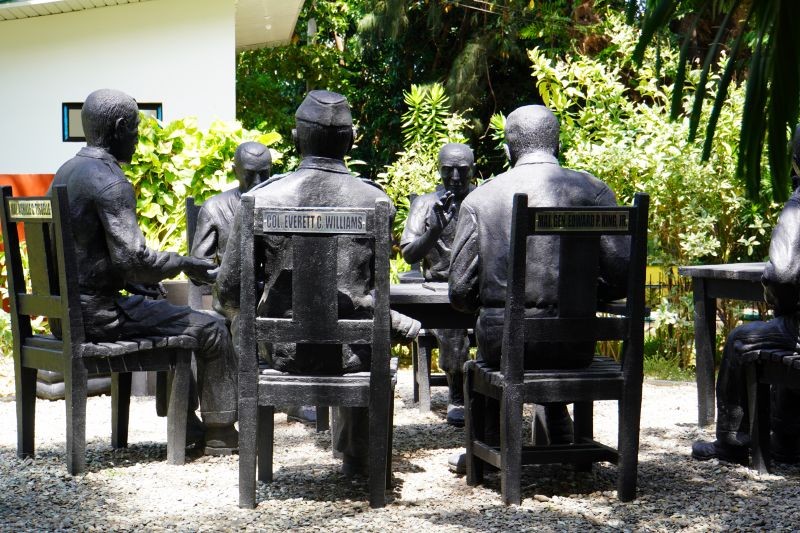
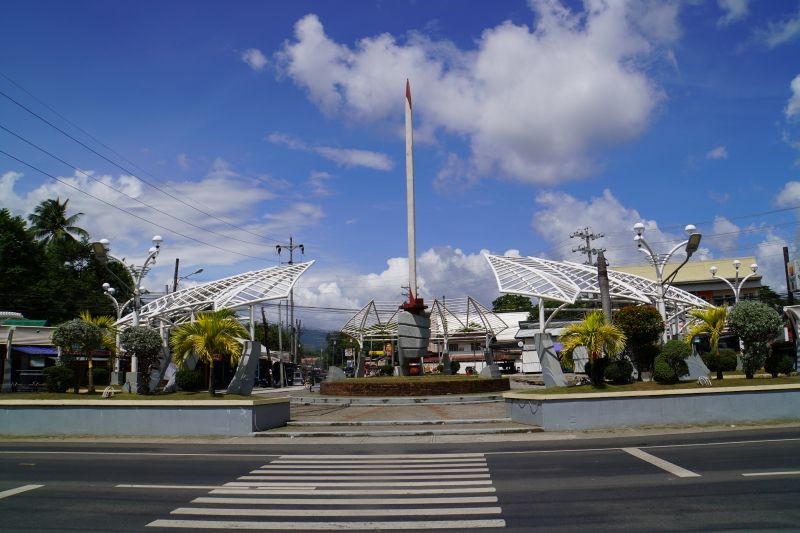
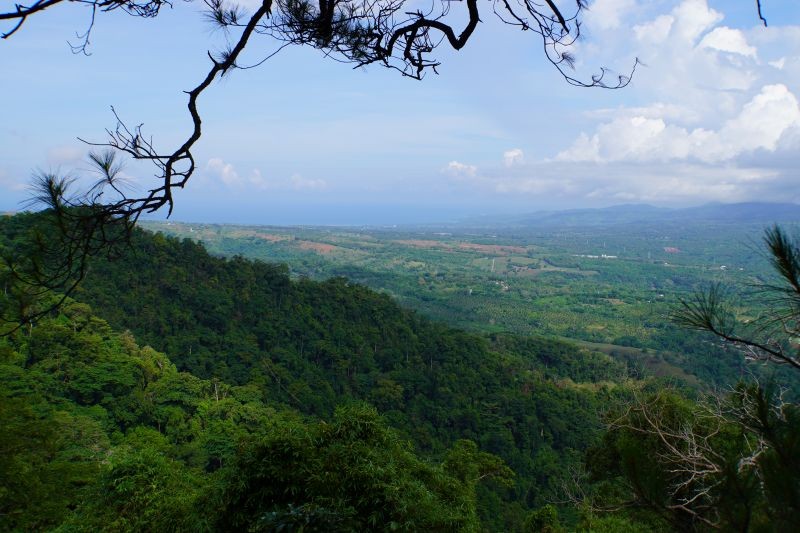
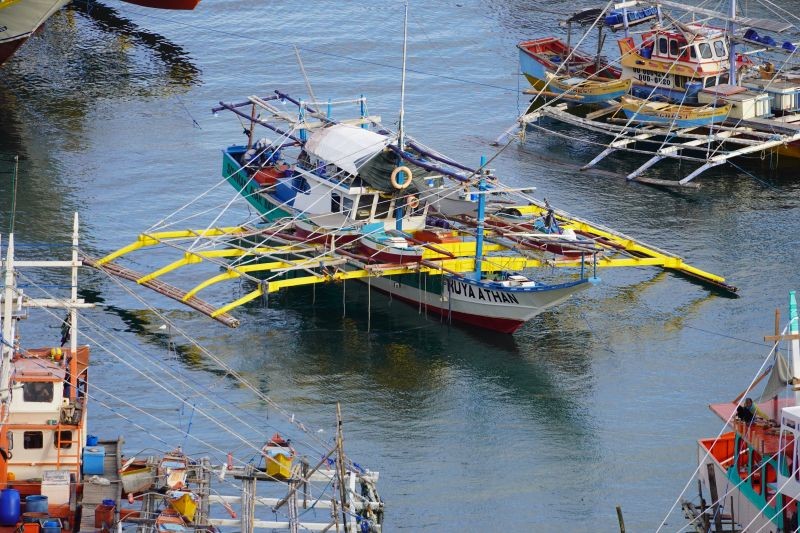
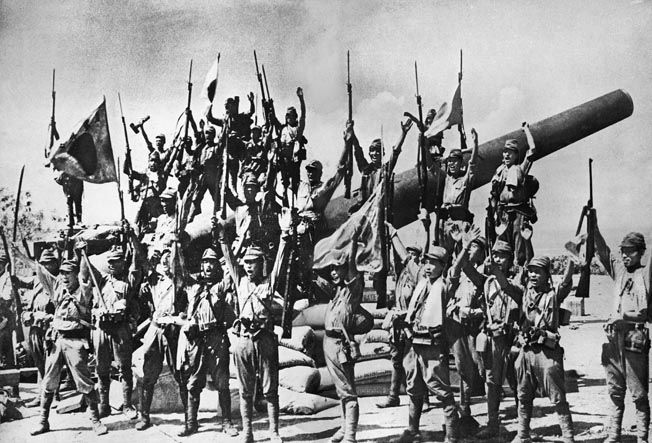
After a long day, we began the drive back to Manila. We made a couple of rest stops along the way, but then hit traffic that delayed us for nearly an hour. The drivers were among the wildest I've ever experienced! In total, the return trip took about four hours, and we didn't get back to the ship until 10:30 p.m. It made for an exhausting but incredibly interesting and informative 18-hour day. I slept very well that night.
I had originally planned to do some additional sightseeing in Manila the next day, but I was simply too tired. Instead, I stayed on board and took the day to recover.
Travel Log for June 10th to June 16th, 2026
Originally, the ship was scheduled to leave Manila and visit the island of Puerto Princesa. I had planned a tour of the Puerto Princesa Subterranean River National Park, including the underground river, followed by some snorkeling in the bay. However, due to the fuel shortage, the itinerary was changed and I had to cancel these plans. Instead, we would cruise directly to Singapore—where refueling was available—and extend our stay there by an extra day.
This change meant six consecutive sea days cruising across the South China Sea, followed by four days in Singapore. We're still at sea now, and I'm starting to plan what to do in Singapore on my second visit.
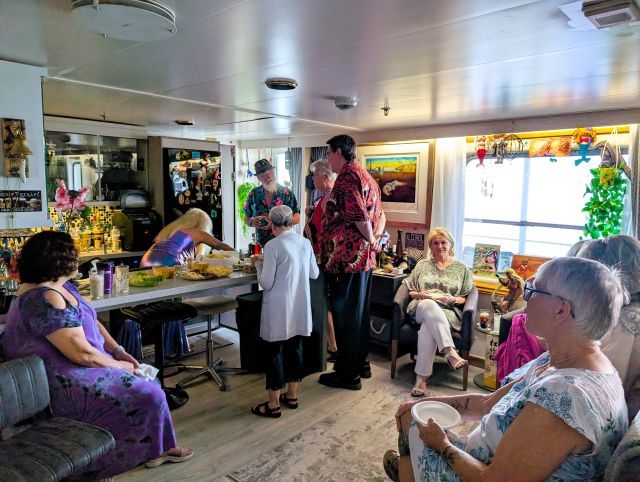
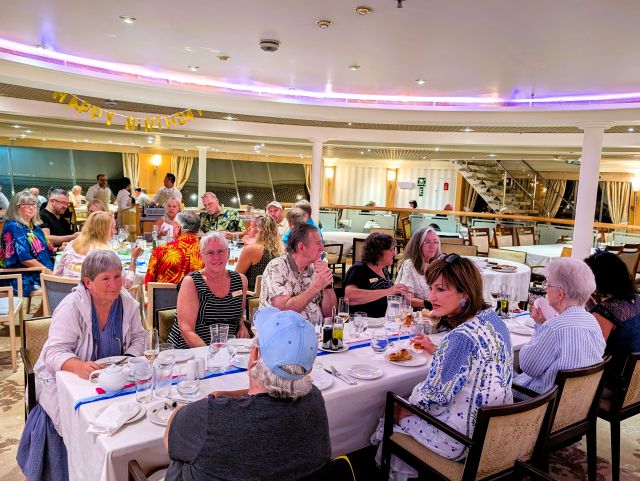
One of the ladies that I usually share a dining table with for dinner celebrated her birthday with a special dinner party. My gift to her was I purchased pizzas for the entire party. I know this sounds impressive, but 10 pizzas were only $85. It was another fun evening and I appreciated being invited.
In addition to the normal routine I follow for sea days, I had a couple unexpected surprises. One of my new onboard friends, who also happens to be our next-door neighbor (on the ship) won a drawing that was held onboard as part of the inaugural celebration of the Villa Vie Odyssey designation as the first UNESCO GLOBAL FLAGSHIP FOR PEACE. She invited several friends to a special social gathering in the most elaborate cabin on the ship. The residents of this cabin took three large balcony cabins and combined them into a small home. They have a large sitting/TV area, a well-equipped bar/kitchen, a guest/sewing room/guest bedroom, and their bedroom. The social was a lot of fun!
This video by fellow residents shows this cool cabin, but I don't think it's for rent right now.
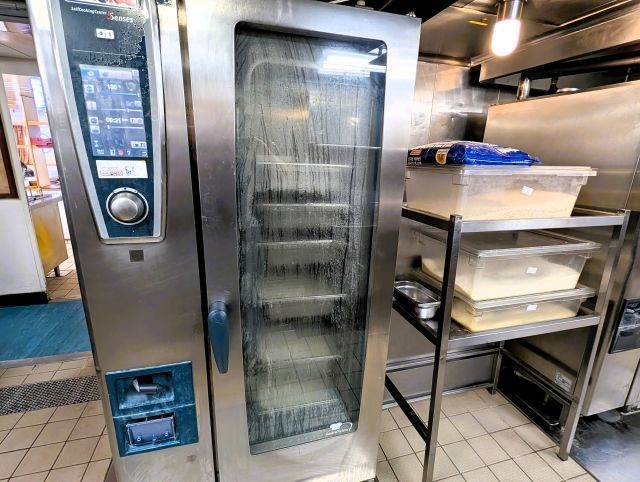
When Connie and I got onboard the Odyssey and we had several sea days between Australia and New Zealand, the ship was arranging tours of the galley, the engine control room, and the bridge. We did two tours back then, but not the galley. Even without Connie being here, I recently got to do the galley tour. It was interesting and informative to see the extra details the restaurant staff adheres to insuring good tasting and safe meals. I was impressed. Our entire crew works hard taking care of us!
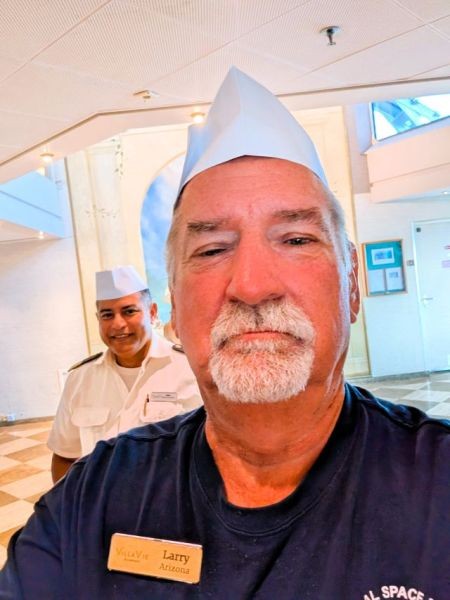
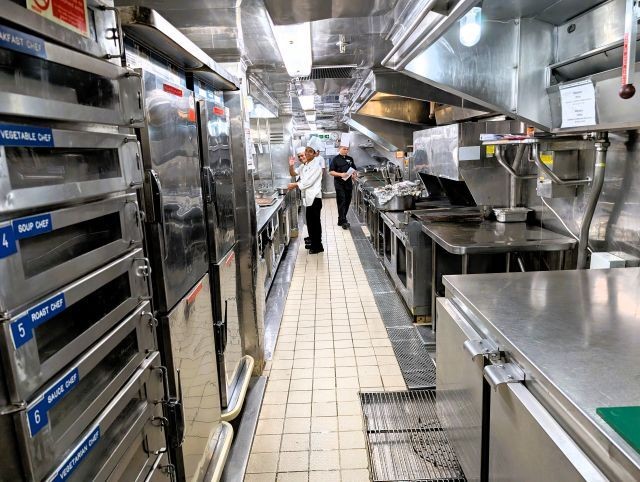
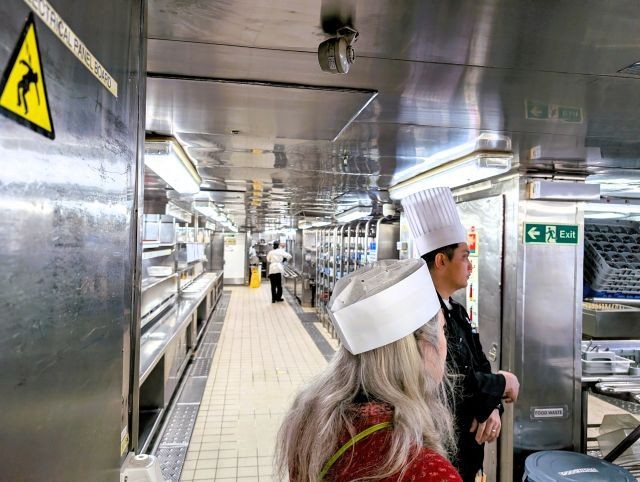
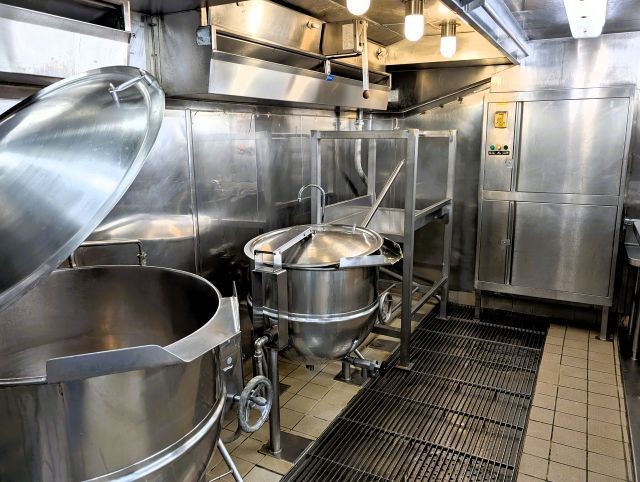
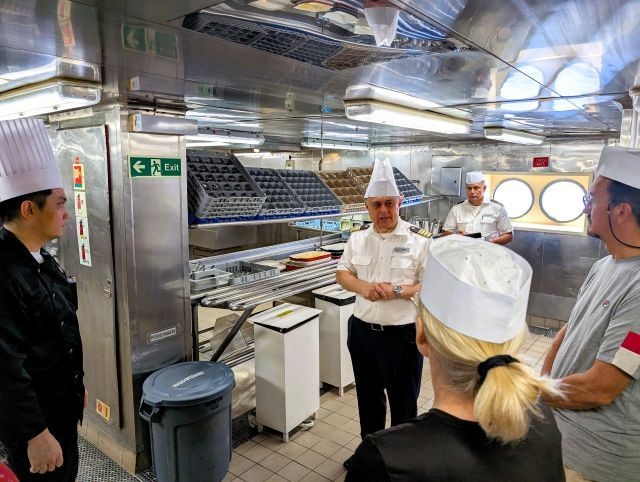
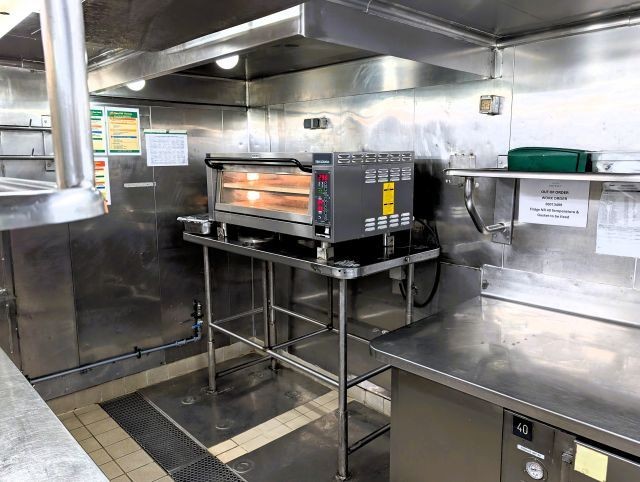
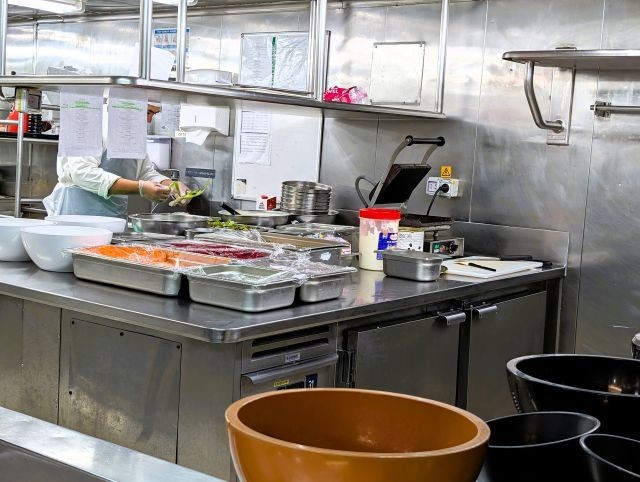
While I'm enjoying cruising around Southeast Asia, Connie is heading to Missouri. She'll be visiting with her family to celebrate her mom's 90th Birthday. Happy Birthday Addie! In about a month, Connie then flies to Hong Kong to join me again. More about that later in the Blog.
With 6 days at sea, not much else happened this week. We arrive in Singapore for the second time in a couple days.
Future Plans
As I previously mentioned, it's now just one month until Connie and I meet up again, and we've got a very busy itinerary planned for July through September. I'll be getting off the ship in Koh Samui, Thailand, and flying to Phuket for a night on my own. From there, I'll head to Hong Kong, where Connie will be flying in from Arizona—we're planning to meet at the airport.
Together, we'll fly to Incheon, South Korea, and spend four nights exploring Seoul. Next, we're off to China for an 11-day private tour covering Beijing, Xi'an, Chengdu, and Shanghai. After that, we'll fly to Hiroshima, Japan, for two nights of sightseeing, followed by a return to Hong Kong for six more days while we wait to rejoin the Odyssey. We'll then fly to Brunei to meet the ship again. Whew—quite a schedule!
The following month, the Odyssey will make several stops in Vietnam before heading to Hong Kong. We'll do some light sightseeing during those port calls, saving most of our energy for another big adventure—a 23-day inland trip starting in early September.
After Hong Kong, the Odyssey returns to Vietnam, where we'll spend a couple of days in Ha Long Bay. Then Connie and I head out on our own again: three nights in Hanoi, four nights in Hue, and another four in Hoi An. From there, we'll continue to Ho Chi Minh City for four nights before flying to Phnom Penh, Cambodia, for three nights of sightseeing. Next up is Siem Reap for three nights, followed by a flight to Sihanoukville, where we'll rejoin the Odyssey once more.
I'm hoping everything goes smoothly with all these travel plans. I'm really glad Connie has decided to stay with me on the Odyssey until late November, when we'll both return to Arizona for a few weeks before heading to Sri Lanka to catch up with the ship again. I guess I can't complain anymore about sitting around doing nothing—we're definitely making the most of our "golden years" by seeing as much of the world as we can!
Until the next blog. Happy and Safe Travels!
Location (Map)
When you subscribe to the blog, we will send you an e-mail when there are new updates on the site so you wouldn't miss them.


Comments